
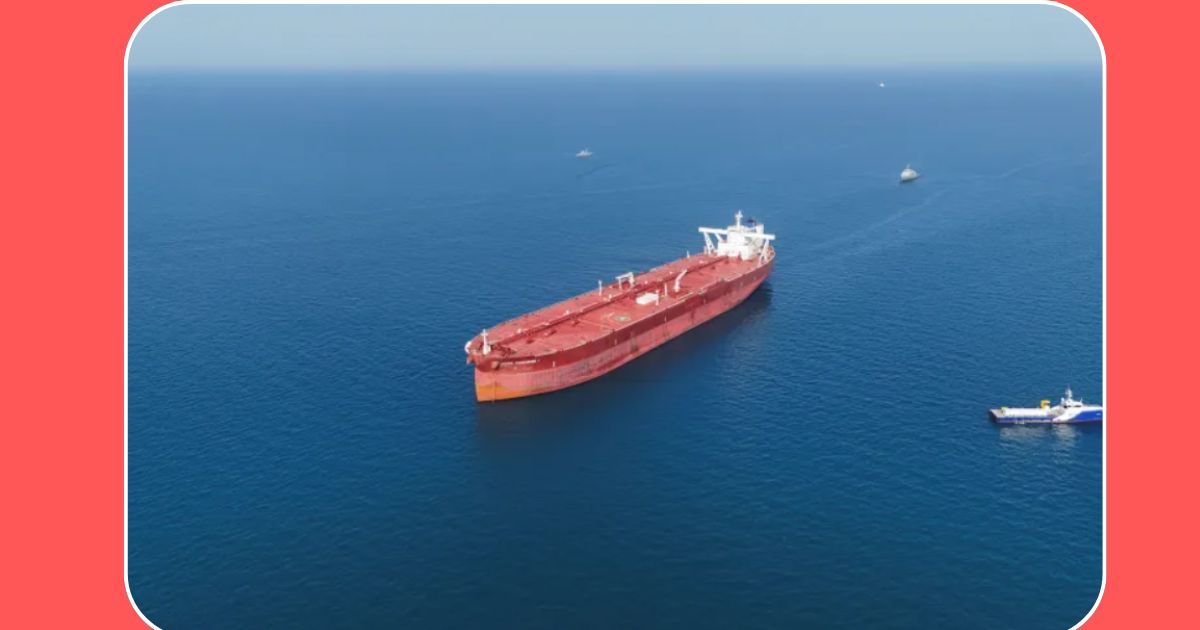
Strait of Hormuz Closed Again as Iran Targets Ships
Strait of Hormuz closed again: Iran has once again closed the Strait of Hormuz, warning that any commercial vessel approaching the critical waterway will be treated as hostile and could be targeted.
The announcement follows reports of multiple vessels being attacked in or near the strategic maritime chokepoint on Saturday, escalating tensions in an already fragile ceasefire between Tehran and Washington.
IRGC Issues Direct Warning to Ships
The Islamic Revolutionary Guard Corps (IRGC) Navy declared that no ship should leave its anchorage in the Persian Gulf or the Sea of Oman.
According to Iranian authorities, several vessels were allowed to pass under IRGC supervision when the strait briefly reopened. However, the passage has now been shut again until the United States lifts its naval blockade on Iranian ports.
The IRGC warned:
Any vessel approaching the Strait of Hormuz will be considered cooperating with the enemy and may be targeted.
- 🇺🇸 US Blockade Intensifies Tensions
- US President Donald Trump stated that Iran cannot “blackmail” the United States through threats to block the key shipping lane. He confirmed that the US naval blockade, which began on April 13, will continue until a formal peace agreement is reached.
- The United States claims it has already turned away 23 vessels attempting to access Iranian ports.
- Meanwhile, Iran’s Supreme National Security Council accused Washington of violating the current two-week ceasefire agreement, which is set to expire on April 22.
- Despite the rising tensions, Trump said negotiations with Tehran were progressing positively, though no agreement has yet been finalized.
Ships Report Gunfire and Damage
Several maritime security sources reported fresh attacks in the region:
- Two Iranian gunboats allegedly opened fire on a tanker navigating the strait.
- A container ship off Oman’s northeastern coast was struck by an unidentified projectile, damaging multiple containers.
- At least two merchant vessels reported gunfire while attempting to cross the waterway.
- India’s foreign ministry expressed “deep concern” after two Indian-flagged ships were reportedly caught in the incident.
- Shipping data shows that while some vessels managed to pass during the brief reopening, others were forced to reroute after being denied access.
Why the Strait of Hormuz Matters
The Strait of Hormuz is one of the world’s most important energy chokepoints.
- Nearly 20% of global oil and liquefied natural gas (LNG) passes through the strait.
- It is the only sea route connecting major Gulf oil producers to global markets.
- The waterway links the Persian Gulf to the Arabian Sea.
- Since the recent conflict began on February 28, following US and Israeli strikes on Iran, shipping traffic has dropped significantly.
- At various points during the crisis, global oil prices surged above $100 per barrel, triggering volatility in international energy markets.
Global Economic Impact
Repeated closures of the Strait of Hormuz are sending shockwaves through:
- Global oil markets
- Energy-importing countries
- Shipping and insurance industries
- Asian and European stock markets
Any prolonged disruption could push fuel prices higher worldwide and increase inflationary pressure across major economies.
Frequently Asked Questions (FAQ)
1. Why did Iran close the Strait of Hormuz again?
Iran says it closed the waterway in response to the ongoing US naval blockade of its ports, claiming the blockade violates the ceasefire.
2. How important is the Strait of Hormuz to global oil supply?
Around 20% of the world’s oil and LNG exports pass through the strait, making it one of the most critical energy routes globally.
3. Were ships attacked during the latest closure?
Yes. Multiple vessels reported gunfire and projectile damage while navigating or attempting to cross the strait.
4. Is there a ceasefire between the US and Iran?
A temporary two-week ceasefire is currently in place and is set to expire on April 22.
5. How does this affect oil prices?
Supply disruptions and rising geopolitical risks have caused oil prices to spike above $100 per barrel at times during the crisis.
Conclusion
The renewed closure of the Strait of Hormuz marks a dangerous escalation in US-Iran tensions. With ships under fire, a ceasefire nearing expiration, and global oil markets already volatile, the situation remains highly unpredictable.
If the blockade continues and negotiations fail, the world could face another major energy supply shock — with serious economic consequences worldwide.

- ఆంధ్రప్రదేశ్ నిరుద్యోగులకు గుడ్ న్యూస్.. గ్రూప్-2 సహా 1,466 ఉద్యోగాలు - అక్టోబర్ 15, 2026
- ఏపీలో స్థానిక ఎన్నికల షెడ్యూల్: మున్సిపల్, ఎంపీటీసీ, పంచాయతీ ఎన్నికలు ఎప్పుడంటే? - అక్టోబర్ 14, 2026
- AP Pension Status by Aadhaar: ఆధార్తో పెన్షన్ స్టేటస్ ఇలా చెక్ చేయండి - అక్టోబర్ 6, 2026


