
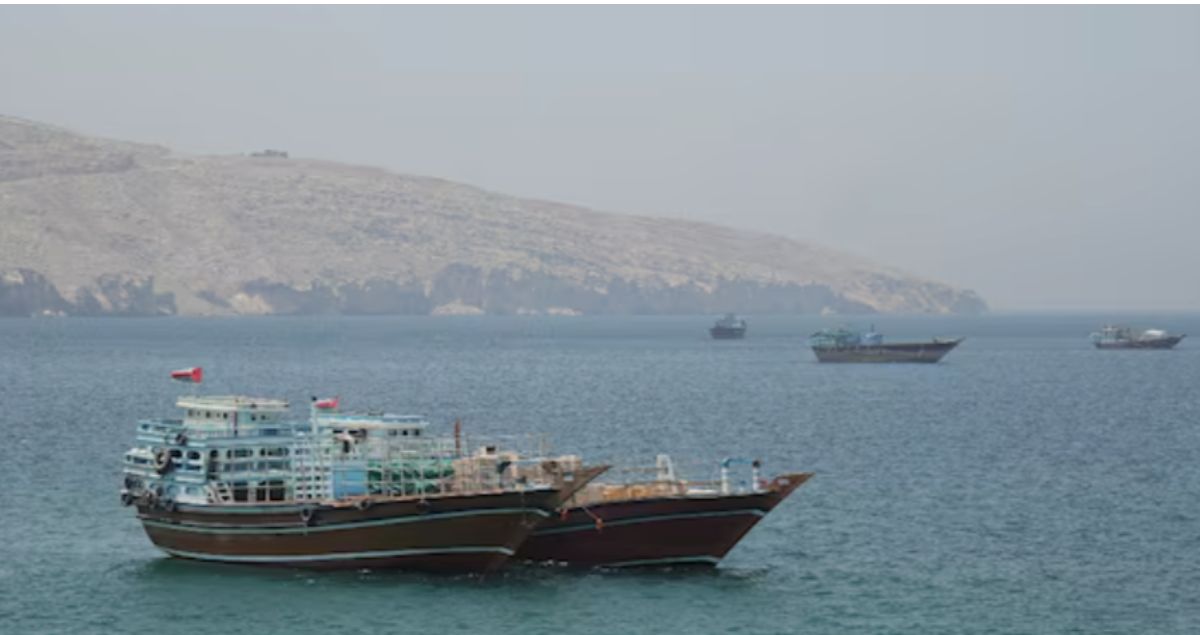
Hormuz Strait Transit Fees: Iran Clarifies Maritime Charges Despite No Toll Policy
Iran has clarified its position on the Strait of Hormuz, one of the world’s most strategic oil transportation routes, stating that ships passing through the waterway will not be subject to transit tolls. However, the country emphasized that charges related to navigation assistance, environmental protection, maritime insurance, and security services will continue to apply.
The statement comes shortly after comments from US President Donald Trump suggesting that ships would not face toll charges while using the Strait of Hormuz. Iran’s latest clarification aims to distinguish between transit tolls and service-related fees that are commonly charged under international maritime regulations.
Iran Explains Existing Charges
Iranian Foreign Ministry spokesperson Esmail Baghaei said that while transit through the strait remains free, vessels utilizing specialized maritime services will still be required to pay applicable fees. These include:
- Navigation and pilotage assistance
- Maritime safety and security services
- Environmental protection measures
- Insurance-related facilities
- Other operational support services
According to Iran, these charges are consistent with international maritime practices and are not considered transit tolls.
Distrust Between Iran and the United States Remains
Despite recent diplomatic developments, Iran indicated that it remains cautious about agreements reached with Washington. Officials noted that previous experiences have created a level of distrust, making Tehran hesitant to place full confidence in future commitments from the United States.
The comments highlight ongoing tensions in Iran-US relations, even as both sides continue discussions aimed at reducing regional instability.
What International Maritime Law Says
Under international maritime law, countries located along naturally formed straits generally cannot impose transit fees on vessels exercising the right of passage. However, coastal states are allowed to charge reasonable fees when providing services such as:
- Pilotage assistance
- Tugboat operations
- Port-related facilities
- Maritime safety and security support
These charges must be applied fairly and cannot target specific countries or vessels.
By contrast, man-made waterways such as the Suez Canal and Panama Canal operate under different legal frameworks, allowing authorities to collect transit tolls from passing ships.
Why the Strait of Hormuz Matters
The Strait of Hormuz is considered one of the most important energy corridors in the world, connecting major oil-producing nations in the Gulf to international markets. Any change in shipping costs, regulations, or restrictions could have significant consequences for:
- Global oil prices
- Energy supply chains
- International trade
- Shipping and logistics industries
- Financial markets worldwide
Industry analysts warn that even modest increases in operational costs could influence transportation expenses and ultimately impact energy prices across global markets.
FAQ
What did Iran announce about Hormuz Strait transit fees?
Iran confirmed that ships passing through the Strait of Hormuz will not be charged transit tolls.
Will ships still have to pay any charges?
Yes. Charges for navigation assistance, environmental protection, maritime security, insurance, and related services will continue.
Why is the Strait of Hormuz important?
It is one of the world’s most critical oil transportation routes, carrying a significant share of global energy supplies.
Can countries legally charge transit fees in natural straits?
International maritime law generally prohibits transit tolls in naturally formed straits but allows fees for specific maritime services.
Could these charges affect global oil prices?
Analysts believe higher shipping-related costs could influence oil transportation expenses and potentially impact global energy markets.
Conclusion
Iran has reaffirmed that it will not impose transit tolls on vessels crossing the Strait of Hormuz, while continuing to collect fees for essential maritime services. The clarification provides reassurance to the global shipping industry, but ongoing geopolitical tensions and concerns over future regulations mean the strategic waterway will remain under close international scrutiny.

- School Dussehra Holidays 2026: 13 రోజులు సెలవులు.. తేదీలివే - సెప్టెంబర్ 17, 2026
- నిమజ్జనం బంద్.. ఖైరతాబాద్ వినాయకుడి పరిస్థితి ఏంటి? అసలు కారణం ఇదే! - సెప్టెంబర్ 16, 2026
- India Post GDS 2026 Recruitment: టెన్త్తో 23,757 ఉద్యోగాలు.. అప్లై చేశారా? - సెప్టెంబర్ 13, 2026


