
US–Iran Peace Talks End Without Agreement in Islamabad
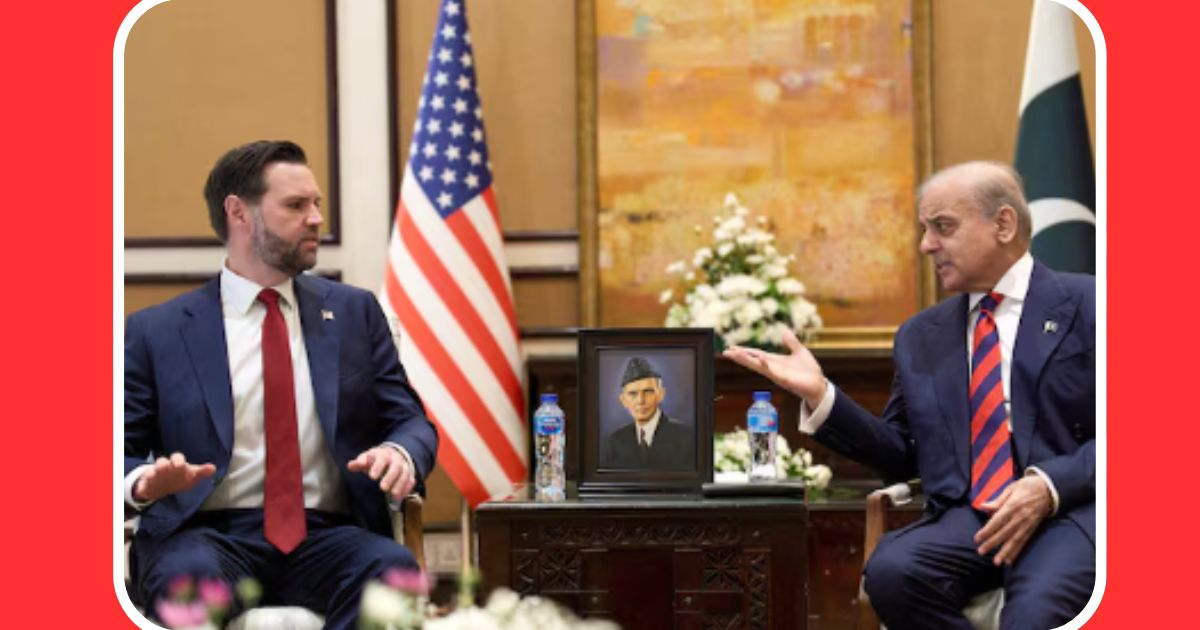
Diplomatic efforts to end the six-week conflict between the United States and Iran have stalled after marathon negotiations in Pakistan concluded without a deal. Delegations from both countries departed Islamabad following 21 hours of discussions that officials described as tense and inconclusive.
The breakdown in talks raises new concerns about the stability of a fragile ceasefire and the future of one of the world’s most sensitive energy routes — the Strait of Hormuz.
Below is a detailed look at what happened, why it matters, and what could come next.
1. What Happened
Senior representatives from Washington and Tehran met in Islamabad for their highest-level direct engagement in decades. The talks followed weeks of military confrontation that began in late February, when U.S. and Israeli airstrikes targeted Iranian-linked sites.
The conflict escalated quickly, disrupting shipping lanes, driving up oil prices, and heightening fears of a broader regional war. After international pressure mounted, both sides agreed to a temporary two-week ceasefire earlier in the week, creating an opening for negotiations.
The discussions in Islamabad lasted nearly an entire day and night. However, by Sunday, both delegations announced they were leaving without reaching an agreement.
U.S. officials stated that Iran refused to meet what they described as clear “red lines,” particularly regarding its nuclear program. Washington has demanded firm guarantees that Iran will not pursue nuclear weapons capability or develop enrichment tools that could rapidly enable weapon production.
Iranian representatives, meanwhile, said U.S. demands were excessive. State-aligned media in Tehran reported that several issues were close to resolution but major disagreements remained over control of the Strait of Hormuz and Iran’s nuclear activities.
Pakistan, which hosted the talks, urged both sides to maintain the ceasefire and continue diplomatic engagement.
2. Why It Matters
The collapse of the talks has global consequences far beyond Washington and Tehran.
Oil and Energy Markets
The Strait of Hormuz is one of the most critical energy chokepoints in the world. Roughly 20% of global oil shipments pass through this narrow waterway connecting the Persian Gulf to the open ocean.
Since the conflict began, tanker traffic has been disrupted. Hundreds of vessels remain delayed in Gulf waters, waiting for safe passage during the temporary ceasefire.
Even small disruptions in Hormuz can push oil prices sharply higher. For consumers in the United States, United Kingdom, and Canada, that translates into higher gasoline prices, increased heating costs, and broader inflation pressure.
Energy analysts warn that prolonged instability could tighten global supply chains just as Western economies are trying to stabilize post-pandemic recovery and manage inflation.
Nuclear Concerns
Washington’s primary objective is to restrict Iran’s nuclear enrichment program. U.S. officials insist that preventing nuclear weapon capability is non-negotiable.
Tehran has long maintained that its nuclear program is strictly for peaceful energy purposes. However, Western governments remain skeptical, citing past enrichment levels that exceed civilian requirements.
The failure to secure a framework agreement increases the risk of renewed sanctions, additional military pressure, or further escalation.
Regional Stability
The conflict has also intersected with violence in Lebanon, where Israeli forces continue targeting Iran-backed Hezbollah positions. Tehran has insisted that any broader regional ceasefire must include an end to fighting there.
The absence of a comprehensive agreement keeps the Middle East on edge, with multiple flashpoints that could reignite broader hostilities.
3. Who Is Affected
Global Consumers
Rising oil prices affect everyday people. Higher transportation and manufacturing costs ripple through the economy, raising prices for goods and services.
Drivers in the U.S., U.K., and Canada are especially sensitive to oil price swings. If tanker delays continue, fuel costs could increase within weeks.
Businesses and Financial Markets
Energy companies, shipping firms, and insurance providers are closely monitoring the situation. Tanker insurance premiums have already climbed due to perceived risks in the Gulf.
Stock markets often react quickly to geopolitical uncertainty. Investors fear instability that could disrupt supply chains or trigger new sanctions.
Middle Eastern Civilians
The conflict has already caused thousands of casualties and displaced families across the region. Prolonged uncertainty makes recovery harder for civilians caught between military operations and political disputes.
Governments and Policymakers
Western leaders must balance diplomatic efforts with domestic political pressure. In an election year in the United States, foreign policy decisions carry additional scrutiny.
European allies are also concerned about energy security, especially after recent years of supply disruptions tied to other global conflicts.
4. What Happens Next
Although the talks ended without agreement, diplomacy is not necessarily over.
Officials on both sides have indicated that further negotiations remain possible. The ceasefire window provides a narrow opportunity to restart discussions before military operations potentially resume.
Key developments to watch include:
- Whether tanker traffic increases steadily through the Strait of Hormuz
- Signals from Washington about new sanctions or military positioning
- Statements from Tehran regarding enrichment activities
- Diplomatic mediation efforts by regional actors
If the ceasefire collapses, energy markets could react immediately. Conversely, even limited progress in follow-up talks could stabilize oil prices and calm financial markets.
The next few weeks will likely determine whether the conflict shifts back toward military escalation or returns to diplomatic channels.
5. Expert or Policy Insight
Foreign policy analysts suggest that both sides face strong domestic constraints.
For Washington, appearing soft on nuclear proliferation could carry political consequences. Any agreement would require verifiable commitments and inspection mechanisms.
For Tehran, conceding too much under pressure could be seen internally as weakness. Economic sanctions have already strained Iran’s economy, and leadership may be balancing negotiation flexibility with national pride.
Policy experts also note that trust between the two countries has been deeply damaged for decades. Rebuilding confidence requires incremental steps rather than sweeping deals.
Energy strategists emphasize that long-term stability in Hormuz benefits all major economies — including oil-importing nations and energy-exporting Gulf states.
6. FAQ
1. Why did the US–Iran talks fail?
The two sides could not agree on key issues, particularly Iran’s nuclear program and control or access to the Strait of Hormuz. Each blamed the other for refusing to compromise.
2. Is the ceasefire still in place?
Yes, a temporary two-week ceasefire remains active. However, without further agreement, it could collapse if tensions rise again.
3. Why is the Strait of Hormuz so important?
About one-fifth of global oil passes through the strait. Disruptions can quickly increase oil prices worldwide.
4. Could this conflict impact fuel prices in the US, UK, or Canada?
Yes. If shipping delays continue or fighting resumes, oil prices may rise, which often leads to higher fuel costs.
5. Will negotiations resume?
Officials have not ruled out additional talks. Much depends on whether both sides see strategic value in continuing diplomacy.
conclusion
The collapse of negotiations in Islamabad underscores how difficult it remains to bridge deep political and security divides between Washington and Tehran. While the ceasefire offers temporary breathing room, unresolved disputes over nuclear activity and maritime access continue to pose risks.
For global markets and policymakers, the priority now is preventing further escalation. Whether diplomacy can regain momentum may determine not only regional stability but also the direction of global energy prices in the weeks ahead.

- Tata Pankh Scholarship 2026: ₹1 Lakh Financial Support for Students - April 12, 2026
- US–Iran Peace Talks End Without Agreement in Islamabad - April 12, 2026
- US-Iran Talks Begin as Hormuz Tensions Shake Oil Markets - April 11, 2026


