
US-Iran Talks Begin as Hormuz Tensions Shake Oil Markets
High-level negotiations between the United States and Iran are underway in Pakistan, marking one of the most significant diplomatic engagements between the two nations in decades. The talks come after six weeks of military escalation that rattled the Middle East, pushed global oil prices higher, and heightened fears of a broader regional conflict.
At the center of the dispute is the Strait of Hormuz — one of the most strategically important waterways in the world. While officials from both sides are offering sharply different accounts of developments on the ground, the diplomatic effort signals a potential turning point in a confrontation that has already carried global consequences.
1. What Happened
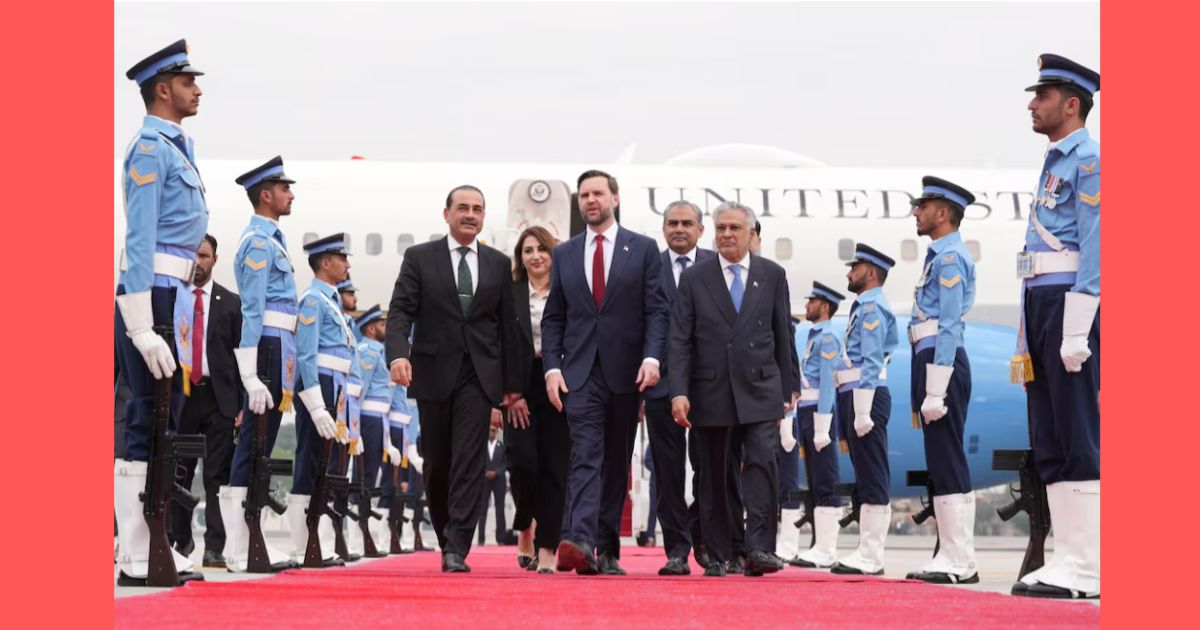
Senior representatives from Washington and Tehran met in Islamabad for direct discussions aimed at reducing tensions and possibly establishing a ceasefire framework. The meeting represents the highest-level contact between the two countries in years.
The talks follow six weeks of hostilities that began after coordinated military actions involving the United States and its regional allies. The conflict has included airstrikes, naval maneuvers, and indirect clashes involving allied groups across the region.
A major flashpoint has been the Strait of Hormuz — the narrow passage between Iran and Oman that connects the Persian Gulf to the Arabian Sea. Roughly 20% of the world’s oil and liquefied natural gas shipments pass through this corridor.
US officials have said efforts are underway to ensure freedom of navigation through the strait. Iranian state media, however, has disputed claims about US military actions in the area and denied certain reports regarding naval losses.
Meanwhile, tensions have extended beyond the Gulf. Strikes in southern Lebanon have continued, with regional armed groups and Israel involved in exchanges of fire. Although Washington and Tehran are the central actors in the talks, the conflict’s ripple effects are being felt across neighboring countries.
Pakistan is acting as mediator — a notable diplomatic development given its recent push to reestablish itself as a regional broker.
Despite hours of meetings, there has been no official announcement of a breakthrough.
2. Why It Matters
The situation matters far beyond the Middle East.
First, the Strait of Hormuz is critical to global energy supply. Any disruption in shipping through this narrow passage can quickly push oil prices higher. Over the past month, energy markets have reacted sharply to developments in the Gulf.
For American, British, and Canadian consumers, this translates into higher gasoline prices and increased transportation costs. It can also affect inflation rates, airline ticket prices, heating costs, and food prices due to increased shipping expenses.
Second, the conflict has revived long-standing tensions around Iran’s nuclear program. US policymakers have repeatedly emphasized that preventing Iran from developing nuclear weapons remains a core national security goal. European allies, including the United Kingdom and France, share those concerns.
Third, the situation risks drawing additional countries into the conflict. Israel is already involved in parallel operations in Lebanon. Gulf Arab states, heavily dependent on oil exports, are closely watching developments.
Any prolonged instability could weaken global economic recovery efforts and strain international alliances.
3. Who Is Affected
Energy Markets:
Oil-producing nations in the Gulf are directly affected. Disruptions threaten export revenues and shipping insurance rates. Even temporary blockages can cause long-lasting financial damage.
Consumers in the US, UK, and Canada:
Rising oil prices increase fuel costs at the pump. Higher energy costs also raise utility bills and the price of goods transported by sea or truck.
Shipping and Trade Industries:
Shipping companies must reroute vessels or pay higher insurance premiums when risks increase in strategic waterways. This impacts global trade routes linking Asia, Europe, and North America.
Regional Populations:
Civilians in Iran, Lebanon, and Israel face direct security risks. The conflict has already led to casualties and infrastructure damage in parts of the region.
Financial Markets:
Investors often react to geopolitical instability by moving funds into safer assets such as gold or US Treasury bonds. Stock markets can experience volatility when tensions escalate.
4. What Happens Next
The outcome of the talks remains uncertain.
Iran is reportedly seeking concessions that may include access to frozen overseas assets and regional ceasefire guarantees. The United States has prioritized restoring secure passage through the Strait of Hormuz and limiting Iran’s nuclear enrichment capabilities.
Negotiators face several challenges:
Mutual distrust: Decades of strained relations make compromise difficult.
Regional complexities: Ongoing clashes in Lebanon and other areas complicate ceasefire terms.
Domestic political pressures: Leaders in both countries must consider public opinion and political opposition at home.
If talks succeed, the most immediate outcome would likely be a formal agreement ensuring maritime security in the Strait of Hormuz. This could stabilize oil prices relatively quickly.
If talks fail, further military escalation remains a possibility. That could include expanded naval operations, additional sanctions, or intensified regional proxy conflicts.
Diplomatic sources suggest follow-up meetings may occur in the coming days, possibly involving European officials.
5. Expert or Policy Insight
Foreign policy analysts say the situation reflects a broader shift in global power dynamics.
Energy security has become increasingly sensitive amid supply chain disruptions and ongoing geopolitical tensions worldwide. Experts note that while the United States has reduced its dependence on Middle Eastern oil in recent years, global oil pricing remains interconnected. A disruption in the Gulf still affects American and European consumers.
Policy experts also point out that Pakistan’s mediation role highlights changing diplomatic alignments in South Asia. Islamabad’s involvement may reflect a strategic effort to rebuild its international standing.
Some analysts believe that even limited agreements — such as temporary maritime guarantees — could lower tensions without resolving deeper disputes over nuclear policy and regional influence.
However, others caution that ceasefires in complex conflicts often prove fragile without broader political settlements.
6. FAQ
1. Why is the Strait of Hormuz so important?
The Strait of Hormuz is one of the world’s busiest oil transit routes. About one-fifth of global petroleum shipments pass through it. Any disruption can quickly impact global energy prices.
2. Are oil prices likely to rise further?
Oil prices tend to react to uncertainty. If negotiations stall or military activity increases, prices could rise. A successful agreement could stabilize or lower prices.
3. Is this a full-scale war between the US and Iran?
While there have been significant military actions, both sides are currently engaged in diplomatic talks aimed at preventing further escalation.
4. How does this affect Americans and Canadians?
Higher oil prices can lead to increased gasoline and heating costs. Financial markets may also experience short-term volatility.
5. What role is Pakistan playing?
Pakistan is acting as a mediator, hosting negotiations and facilitating dialogue between the two sides.
Conclusion
The renewed diplomatic engagement between the United States and Iran represents a critical moment in a volatile regional crisis. With the Strait of Hormuz central to global energy supply, the stakes extend far beyond the Middle East.
For Western nations, the talks are not only about regional security but also about economic stability. Whether negotiators can bridge deep political divides remains unclear. However, the fact that both sides are at the table signals at least a temporary shift from confrontation toward dialogue — a development the global economy is watching closely.

- US-Iran Talks Begin as Hormuz Tensions Shake Oil Markets - April 11, 2026
- Iran’s New Supreme Leader Reportedly Recovering from Serious War Injuries - April 11, 2026
- EU Airline Industry Warns of Fuel Shortages if Strait of Hormuz Stays Closed - April 11, 2026


