
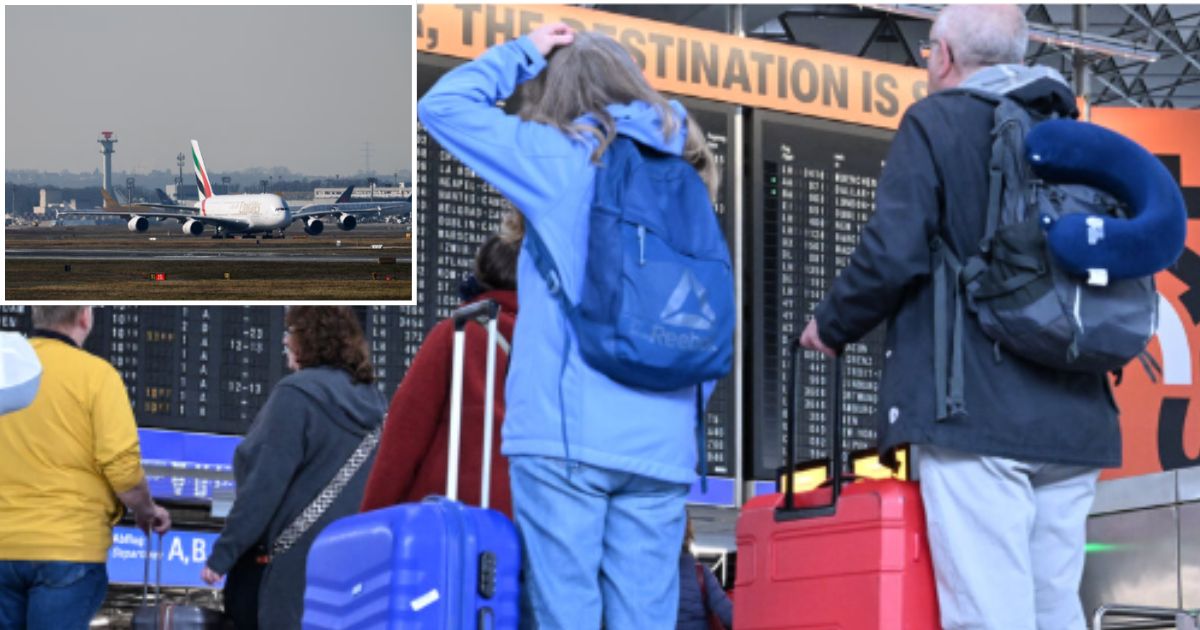
EU Airline Industry Warns of Fuel Shortages if Strait of Hormuz Stays Closed
Europe’s aviation sector is facing a growing threat that could disrupt summer travel plans across the continent. Industry leaders are warning that if the Strait of Hormuz remains closed for several more weeks, airports across the European Union could face serious jet fuel shortages.
The warning comes as global energy markets remain volatile amid ongoing conflict in the Middle East, a region that plays a critical role in supplying fuel to Europe. With the summer tourism season approaching, concerns are mounting about whether airlines will have enough fuel to operate smoothly.
Here’s what is happening, why it matters, and what could come next.
1. What Happened
Airports Council International Europe (ACI Europe), the trade body representing European airports, has raised alarm about possible disruptions to jet fuel supplies if maritime traffic through the Strait of Hormuz does not resume soon.
The Strait of Hormuz is a narrow shipping lane connecting the Persian Gulf to global markets. It is one of the most important energy chokepoints in the world. Roughly one-fifth of global oil trade passes through it, including large volumes of refined fuel products such as aviation fuel.
Europe relies heavily on fuel imports from the Gulf region. Industry estimates suggest that around half of Europe’s imported jet fuel originates from this area. If tankers are unable to move safely through the strait, European fuel stocks could tighten quickly.
In a letter sent to European Commission officials responsible for energy and tourism, ACI Europe’s director-general warned that if shipping disruptions continue for another three weeks, a systemic jet fuel shortage across the European Union could become a reality.
Jet fuel prices are already reflecting market anxiety. The benchmark European jet fuel price recently reached record highs—more than double the levels seen before the current conflict began. Airlines worldwide have responded by trimming flight schedules and increasing fares to offset higher operating costs.
While some governments, including the United Kingdom, have said airlines are currently operating normally, the industry warns that the situation could change quickly if fuel shipments remain blocked.
2. Why It Matters
A prolonged fuel shortage would not simply mean higher ticket prices. It could disrupt airport operations, reduce flight availability, and weaken economic activity across Europe.
Air travel plays a vital role in Europe’s economy. Aviation supports millions of jobs and contributes hundreds of billions of euros annually to regional GDP. Tourism-dependent regions in southern Europe are particularly vulnerable during the busy summer season.
For U.S., UK, and Canadian travelers planning European vacations, fuel disruptions could translate into:
- Higher airfare
- Fewer flight options
- Delays or cancellations
- Increased travel insurance claims
Beyond tourism, supply chain disruptions could affect cargo flights that transport pharmaceuticals, electronics, and perishable goods. Air freight remains a critical component of transatlantic trade.
The broader concern is energy security. The Strait of Hormuz has long been viewed as a geopolitical flashpoint. Any prolonged closure highlights the risks associated with heavy dependence on a single region for fuel supplies.
For Western policymakers, this episode reinforces ongoing debates about energy diversification and supply chain resilience.
3. Who Is Affected
If the situation continues, several groups could feel the impact:
Airlines
Carriers already operate on thin profit margins. Higher fuel prices directly affect operating costs, as fuel typically accounts for 20–30% of airline expenses. Smaller regional airlines may face the greatest pressure.
Airports
Airports handling fewer than one million passengers annually are considered especially vulnerable. Many rely heavily on seasonal traffic and operate with limited financial buffers. Even minor disruptions could threaten their viability.
Travelers
Leisure travelers heading to Mediterranean destinations may face higher fares during peak months. Business travelers could encounter limited flight availability on certain routes.
Local Economies
Regions that depend on tourism—such as parts of Spain, Greece, Italy, and Portugal—could see slower economic activity if flights are reduced.
Transatlantic Passengers
Travelers from North America flying to Europe may see rising ticket prices as airlines adjust to increased fuel costs globally.
4. What Happens Next
The next few weeks are critical.
If maritime traffic through the Strait of Hormuz resumes stably and predictably, fuel markets could calm, and shortages may be avoided. However, if disruptions persist, the European Union may need to intervene.
Industry leaders are urging policymakers to take proactive measures, including:
- Coordinated monitoring of jet fuel supply levels
- Temporary relaxation of import regulations
- Collective purchasing agreements
- Strengthened fuel storage strategies
Some airlines may increase fuel hedging strategies—locking in prices in advance—to limit financial exposure. Others may continue reducing less profitable routes to conserve fuel.
Meanwhile, energy traders are watching geopolitical developments closely. Any escalation in the Middle East could further tighten global supply.
5. Expert and Policy Insight
The situation highlights Europe’s structural reliance on imported aviation fuel. While the European Union has ambitious climate goals—including expanded use of Sustainable Aviation Fuel (SAF)—conventional jet fuel remains dominant.
Industry representatives argue that this crisis could serve as a turning point. They suggest that accelerating domestic SAF production could reduce long-term dependency on imported fossil fuels.
However, scaling SAF production takes time and significant investment. Current supplies of sustainable aviation fuel represent only a small fraction of total aviation fuel consumption.
Energy analysts note that diversification is key. Expanding refining capacity within Europe and strengthening strategic fuel reserves could provide greater resilience against future disruptions.
For U.S. and Canadian readers, similar lessons apply. Both countries rely on global energy markets, and supply chain disruptions in one region can quickly affect fuel prices worldwide.
6. Frequently Asked Questions (FAQ)
1. Why is the Strait of Hormuz so important for jet fuel?
The Strait of Hormuz is a key shipping route for oil and refined fuel products from the Middle East. A large share of Europe’s imported jet fuel passes through this corridor.
2. Are flights currently being canceled in Europe?
As of now, most airlines continue operating normally. However, some carriers globally have reduced schedules due to rising fuel costs and supply concerns.
3. Will airfare increase because of this?
Jet fuel price spikes typically lead to higher ticket prices. If supply disruptions continue, travelers may see fare increases, especially during peak summer travel.
4. Could this impact flights between North America and Europe?
Yes. Transatlantic routes could become more expensive if fuel costs remain elevated, as airlines adjust fares to maintain profitability.
5. What can governments do to prevent shortages?
Governments can coordinate fuel stock monitoring, ease import regulations, explore collective purchasing, and invest in alternative fuel production to reduce reliance on a single region.
Conclusion
The European aviation industry is entering a critical period. With summer travel approaching, the continued closure of the Strait of Hormuz poses a serious risk to jet fuel availability across the continent.
While flights remain operational for now, industry leaders warn that without stable fuel shipments in the coming weeks, shortages could disrupt airports, airlines, and travelers alike.
For passengers planning European trips, the best approach is to monitor airline updates, book flexible fares when possible, and consider travel insurance. For policymakers, the episode serves as a reminder that energy security and aviation resilience remain deeply interconnected in an increasingly uncertain world.

- US-Iran Talks Begin as Hormuz Tensions Shake Oil Markets - April 11, 2026
- Iran’s New Supreme Leader Reportedly Recovering from Serious War Injuries - April 11, 2026
- EU Airline Industry Warns of Fuel Shortages if Strait of Hormuz Stays Closed - April 11, 2026


