
Bangladesh Bans IPL Telecast | After Mustafizur Exit Row
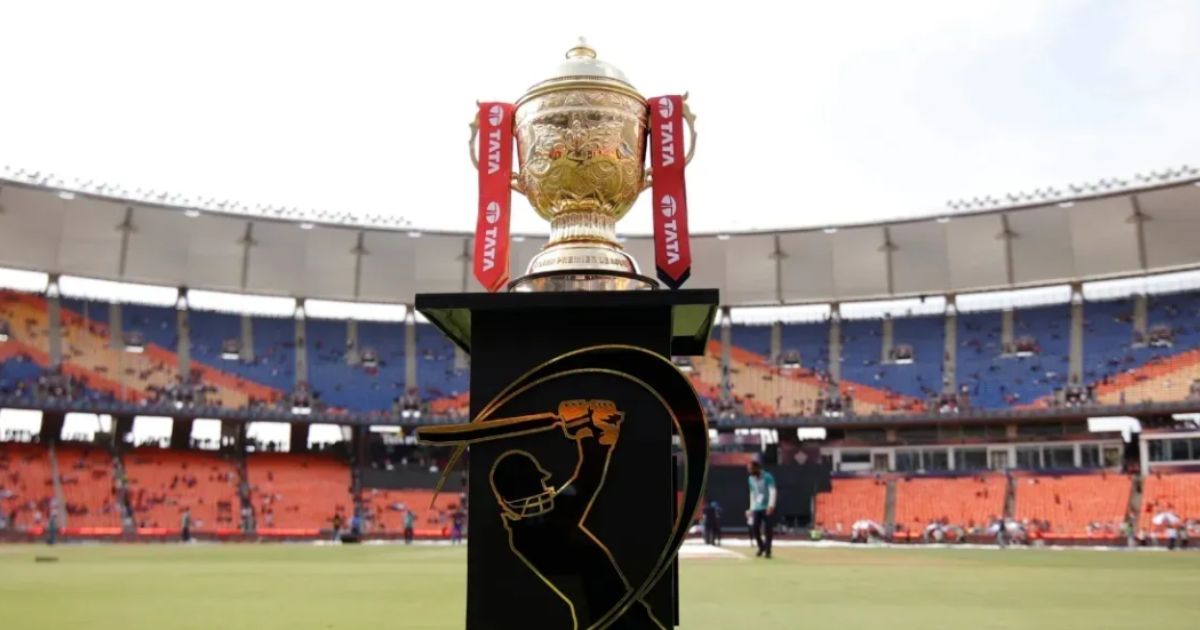
In a major development that could strain cricketing ties between the two nations, the Bangladesh government has imposed an indefinite ban on the telecast and promotion of the Indian Premier League (IPL) across the country.
The decision comes in the wake of Bangladesh fast bowler Mustafizur Rahman being released from the Kolkata Knight Riders (KKR) ahead of the upcoming IPL season, reportedly following instructions from the Board of Control for Cricket in India (BCCI).
Government Confirms Immediate Suspension of IPL Broadcast
On January 5, Bangladesh’s Ministry of Information and Broadcasting officially confirmed that all IPL-related broadcasts, discussions, and promotional programs have been suspended with immediate effect until further notice.
According to the ministry, the move was taken after widespread public outrage over Mustafizur Rahman’s exclusion from IPL, which authorities said had hurt the sentiments of the Bangladeshi people.
“The decision to exclude Mustafizur Rahman from the KKR squad has deeply saddened and angered the people of Bangladesh. Under these circumstances, all IPL matches and related programs will remain suspended from broadcast,” the ministry said.
BCCI Directed KKR to Release Mustafizur Rahman
Defending its action, Kolkata Knight Riders stated that Mustafizur’s release was done strictly on the instructions of BCCI and IPL authorities.
“BCCI/IPL, as the regulator of the league, instructed KKR to release Mustafizur Rahman. The decision was implemented following due process,” the franchise said in an official statement.
BCCI Secretary Devajit Saikia also confirmed the directive, adding that KKR has been allowed to seek a replacement if required.
While BCCI did not officially cite political instability as the reason, sources indicated that recent developments and security concerns in Bangladesh, including attacks on minority communities, played a role in the decision.
Bangladesh Refuses to Travel to India for T20 World Cup 2026
Escalating the situation further, the Bangladesh Cricket Board (BCB) announced that the national team will not travel to India for the T20 World Cup 2026, citing serious security concerns.
Bangladesh was scheduled to play four World Cup matches in India, including games in Kolkata and Mumbai.
After consultations with the Bangladesh government, the BCB formally wrote to the International Cricket Council (ICC) requesting that Bangladesh’s matches be relocated outside India.
“Considering the safety and security of our players and officials, the Board has decided that the Bangladesh team will not travel to India under the current conditions,” the BCB stated.
The ICC is now expected to review the request and respond urgently.
FAQs
Why did Bangladesh ban IPL telecast?
Bangladesh banned IPL telecast following public outrage over Mustafizur Rahman’s release from KKR, which authorities believe hurt national sentiments.
Who ordered Mustafizur Rahman’s release from KKR?
The release was done on the instructions of the Board of Control for Cricket in India (BCCI).
Is the IPL ban in Bangladesh permanent?
No. The ban is indefinite and will remain until further notice from the Bangladesh government.
Will Bangladesh play the T20 World Cup 2026 matches in India?
No. Bangladesh has officially refused to travel to India and requested the ICC to relocate its matches due to security concerns.
Has ICC responded to Bangladesh’s request?
As of now, the ICC has not issued an official response.
Conclusion
The indefinite IPL telecast ban and Bangladesh’s refusal to travel to India for the T20 World Cup 2026 mark a significant escalation in cricketing and diplomatic tensions. With public sentiment, player safety, and political concerns intertwining, the situation now rests in the hands of global cricket authorities like the ICC to find a balanced resolution.

- Pakistan Smart Lockdown: 8PM Market Closure Shock Amid Fuel Crisis - April 7, 2026
- Gold Cheaper Than Milk? This Country Shocks the World - April 7, 2026
- Hyderabad Independent House Under 50 Lakhs – Top 5 Affordable Areas in 2026 - April 7, 2026


