
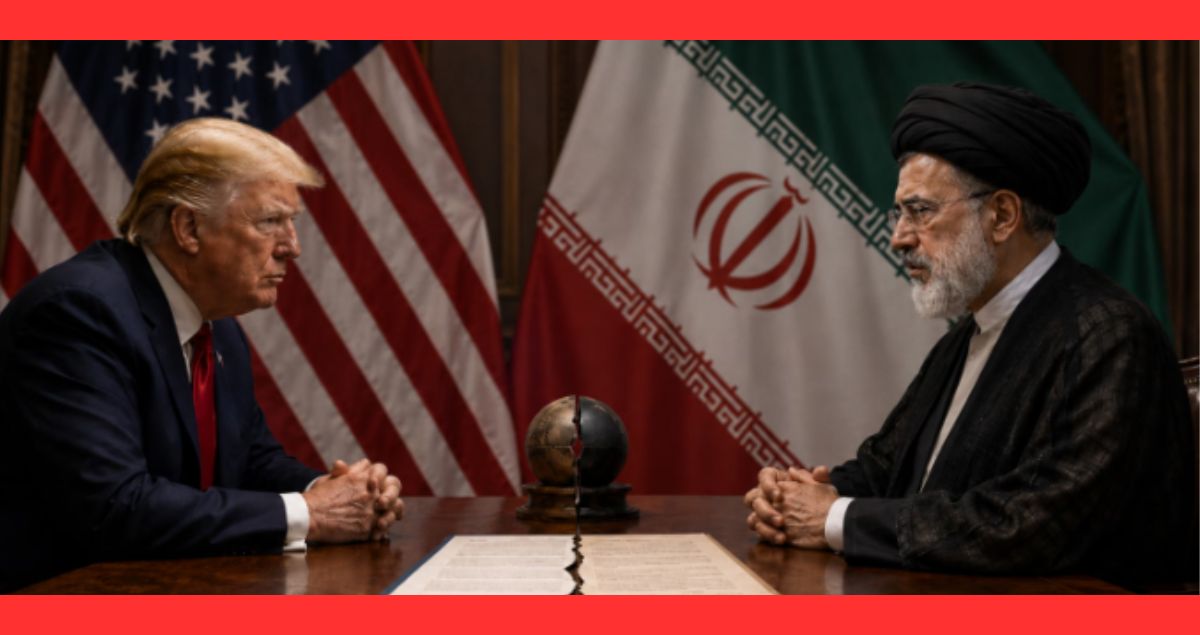
US-Iran Peace Agreement 2026 Signed, Strait of Hormuz Reopens
The long-running conflict between the United States and Iran has officially come to an end after both countries signed a historic memorandum of understanding aimed at restoring stability in the region and reopening the strategically important Strait of Hormuz.
According to officials from both nations, the agreement was signed electronically and came into effect immediately. The development marks a significant diplomatic breakthrough after months of tensions that impacted regional security, global trade, and energy markets.
US officials confirmed that the memorandum was digitally approved by President Donald Trump, while Iran stated that President Masoud Pezeshkian also signed the agreement on behalf of his country. The electronic signing took place ahead of a planned formal ceremony that was originally expected to be held in Switzerland.
Iran’s Foreign Ministry confirmed the agreement and stated that the memorandum establishes a framework for reducing tensions and restoring maritime operations through the Strait of Hormuz. As part of the initial implementation, Iran agreed to reopen the crucial shipping route, allowing international vessels to resume normal transit.
The Strait of Hormuz is one of the world’s most important energy corridors, carrying a significant share of global oil exports. Its reopening is expected to provide relief to international energy markets and reduce concerns over supply disruptions.
Pakistan played an important mediation role during negotiations between the two countries. Pakistani Prime Minister Shehbaz Sharif announced that the memorandum had been electronically signed and described it as a historic step toward regional peace and stability.
Despite the agreement taking immediate effect, diplomatic engagement between Washington and Tehran is expected to continue. Delegations from both countries are scheduled to meet in Switzerland to discuss broader issues, including the future of negotiations related to Iran’s nuclear program and regional security cooperation.
Analysts believe the agreement could help ease geopolitical tensions in West Asia and improve confidence in international shipping and energy markets. The coming weeks are expected to determine how effectively both sides implement the commitments outlined in the memorandum.
Why the Strait of Hormuz Matters
The Strait of Hormuz connects the Persian Gulf to global shipping routes and is considered one of the most critical maritime passages in the world. Any disruption in the waterway can significantly impact oil prices, international trade, and global economic stability.
With shipping operations set to resume, businesses and governments worldwide are closely monitoring developments to assess the agreement’s long-term impact on energy security and regional peace.
FAQ
What is the US-Iran Peace Agreement 2026?
The agreement is a memorandum of understanding signed by the United States and Iran to end hostilities, reduce tensions, and reopen the Strait of Hormuz.
Was the agreement signed electronically?
Yes. Officials from both countries confirmed that the memorandum was digitally signed and took effect immediately.
Why is the Strait of Hormuz important?
The Strait of Hormuz is a key global shipping route through which a large portion of the world’s oil supply is transported.
Who mediated the negotiations?
Pakistan played a significant mediation role, with Prime Minister Shehbaz Sharif announcing the signing of the agreement.
What happens next?
Delegations from the United States and Iran are expected to continue discussions in Switzerland, including talks related to Iran’s nuclear program and regional stability.
Conclusion
The US-Iran Peace Agreement 2026 represents a major diplomatic milestone after months of regional tensions. The immediate reopening of the Strait of Hormuz and continued diplomatic discussions signal a new chapter in relations between the two countries. Global markets, shipping industries, and international observers will be watching closely as both nations move toward implementing the terms of the agreement.

- School Dussehra Holidays 2026: 13 రోజులు సెలవులు.. తేదీలివే - సెప్టెంబర్ 17, 2026
- నిమజ్జనం బంద్.. ఖైరతాబాద్ వినాయకుడి పరిస్థితి ఏంటి? అసలు కారణం ఇదే! - సెప్టెంబర్ 16, 2026
- India Post GDS 2026 Recruitment: టెన్త్తో 23,757 ఉద్యోగాలు.. అప్లై చేశారా? - సెప్టెంబర్ 13, 2026


