
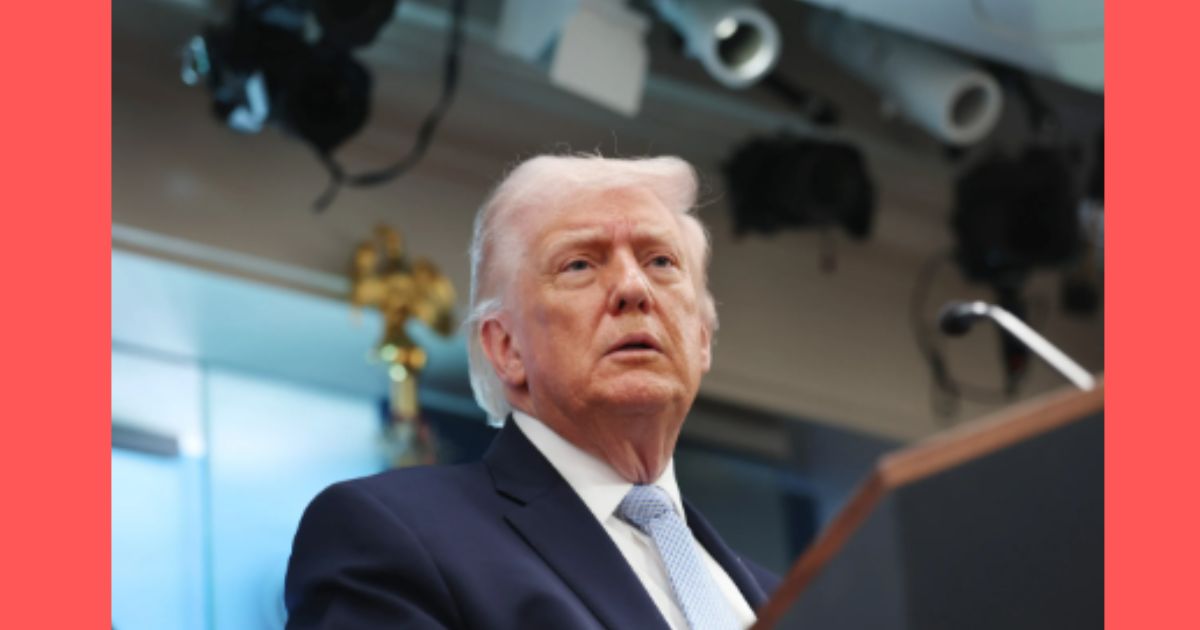
Trump Iran Crisis: A Test of Power in a Changing World
The escalating conflict between the United States and Iran is emerging as the most serious foreign policy challenge of President Donald Trump’s second term. What began as a show of military strength has evolved into a broader geopolitical struggle — one that is testing the limits of American influence, reshaping alliances, and creating uncertainty in global markets.
At the center of the crisis is a fundamental question: How far can presidential power go in an increasingly multipolar world where rivals and allies alike resist pressure from Washington?
1. What Happened
Six weeks ago, the United States launched targeted military operations against Iranian military and nuclear-linked facilities. The move followed escalating tensions over Iran’s regional activities and concerns about its uranium enrichment program.
Unlike previous administrations, which avoided direct confrontation, President Trump opted for a forceful approach. The administration framed the strikes as a necessary step to curb Iran’s military ambitions and restore deterrence in the Middle East.
Iran did not capitulate. Instead, it responded asymmetrically — tightening its grip on the Strait of Hormuz, a narrow waterway through which roughly 20% of global oil shipments pass. In turn, the United States initiated a naval blockade aimed at limiting Iranian oil exports and pressuring Tehran economically.
The standoff has not expanded into a full-scale ground war, but it has significantly raised global tensions. Energy markets have fluctuated sharply, and diplomatic channels remain strained.
2. Why It Matters
The crisis is significant for several reasons:
A. Energy and Inflation Risks
The Strait of Hormuz is critical to global energy supplies. Any sustained disruption could drive oil prices higher. For American and European consumers, that would likely mean higher gasoline costs and renewed inflation pressures.
With midterm elections approaching in the United States, economic stability is a key political issue. Rising fuel prices could quickly become a domestic liability.
B. Limits of Military Power
The conflict highlights a longstanding lesson of modern warfare: air superiority alone rarely produces decisive political outcomes. While U.S. forces maintain overwhelming technological advantages, Iran’s leadership appears willing to endure economic hardship rather than concede.
C. Strained Alliances
Several NATO allies have been reluctant to support the military campaign. European governments, already dealing with economic challenges and security concerns closer to home, have signaled caution.
This reluctance underscores broader tensions within the transatlantic alliance and reflects growing divergence in how Western nations assess risk in the Middle East.
D. Global Power Shifts
Countries such as China have signaled opposition to unilateral pressure tactics and have hinted at economic countermeasures in related disputes. The broader message is clear: Washington’s leverage is no longer uncontested.
3. Who Is Affected
The ripple effects extend far beyond Washington and Tehran.
American Consumers
Higher oil prices translate directly into increased transportation and consumer costs. If inflation spikes again, interest rates could remain elevated longer, affecting mortgages and small business loans.
U.S. Military Families
Service members deployed to the region face operational risks, while their families live with uncertainty about escalation.
European Allies
Governments in the United Kingdom, Germany, France, and Canada must balance alliance commitments with domestic political realities. Many voters are wary of deeper military involvement.
Global Markets
Investors dislike uncertainty. Stock markets have already experienced volatility tied to Middle East developments. Energy-importing nations in Asia and Europe face additional financial strain if oil prices surge.
Iranian Civilians
Economic sanctions and blockades often hit ordinary citizens hardest. Currency devaluation, supply shortages, and inflation within Iran have worsened during the crisis.
4. What Happens Next
Several scenarios are possible:
1. Escalation
The United States could expand military operations to increase pressure on Iran’s leadership. However, that risks regional spillover and further economic disruption.
2. Negotiated Settlement
Backchannel diplomacy could produce a limited agreement involving sanctions relief in exchange for restrictions on Iran’s nuclear program and maritime activity.
3. Prolonged Stalemate
The most likely near-term outcome may be a drawn-out standoff. Naval pressure and economic sanctions could continue without a decisive breakthrough.
4. Political Impact at Home
Domestic political dynamics will heavily influence decision-making. If public opinion shifts strongly against the conflict due to economic strain or casualties, pressure to de-escalate could intensify.
5. Expert or Policy Insight
Foreign policy analysts note that modern conflicts increasingly blend military, economic, and informational tools. Sanctions, cyber operations, energy leverage, and financial restrictions now play roles equal to traditional battlefield engagements.
Some experts argue that strongman-style diplomacy — emphasizing dominance and escalation — can generate quick tactical gains but may struggle in prolonged standoffs where economic resilience and coalition-building matter more.
Others suggest that demonstrating firmness may still deter broader regional instability if combined with credible diplomatic off-ramps.
There is also debate over executive authority. Critics question the administration’s limited consultation with Congress before initiating prolonged military operations. Supporters argue that swift action was necessary to protect U.S. interests.
Regardless of perspective, the situation illustrates how interconnected modern geopolitics has become. Military action in one region can immediately affect global supply chains, energy prices, and election-year politics.
6. FAQ
1. Why is the Strait of Hormuz so important?
The Strait of Hormuz is a narrow shipping route connecting the Persian Gulf to global markets. About one-fifth of the world’s oil passes through it daily. Disruption can quickly affect global energy prices.
2. Is the United States officially at war with Iran?
The current situation involves sustained military operations but has not been formally declared a war by Congress. It remains a limited conflict with significant geopolitical implications.
3. Could oil prices continue to rise?
Yes. If the blockade persists or expands, oil supply disruptions could push prices higher, affecting gasoline and transportation costs worldwide.
4. Are U.S. allies supporting the operation?
Support has been mixed. Some allies back diplomatic pressure but are hesitant about deeper military involvement.
5. What would a diplomatic solution look like?
A negotiated outcome could involve limits on Iran’s nuclear program, maritime guarantees, and partial sanctions relief. However, trust between both sides remains low.
Conclusion
The Trump Iran crisis represents more than a regional confrontation. It is a measure of how executive authority, military power, economic leverage, and international alliances function in today’s complex global system.
While the administration projects confidence, resistance abroad and political realities at home suggest that no leader operates without constraints. Markets, allies, voters, and geopolitical rivals all shape outcomes.
As the crisis continues, the central question remains whether sustained pressure will produce concessions — or whether it will instead highlight the practical limits of unilateral power in a rapidly changing world.

- ఏపీలో స్థానిక ఎన్నికల షెడ్యూల్: మున్సిపల్, ఎంపీటీసీ, పంచాయతీ ఎన్నికలు ఎప్పుడంటే? - అక్టోబర్ 14, 2026
- AP Pension Status by Aadhaar: ఆధార్తో పెన్షన్ స్టేటస్ ఇలా చెక్ చేయండి - అక్టోబర్ 6, 2026
- 5 Lakh Women Entrepreneurs: మహిళలకు సీఎం చంద్రబాబు బంపర్ ప్లాన్.. ‘స్వయం ఏపీ’తో ప్రపంచ మార్కెట్లకు! - అక్టోబర్ 5, 2026


