
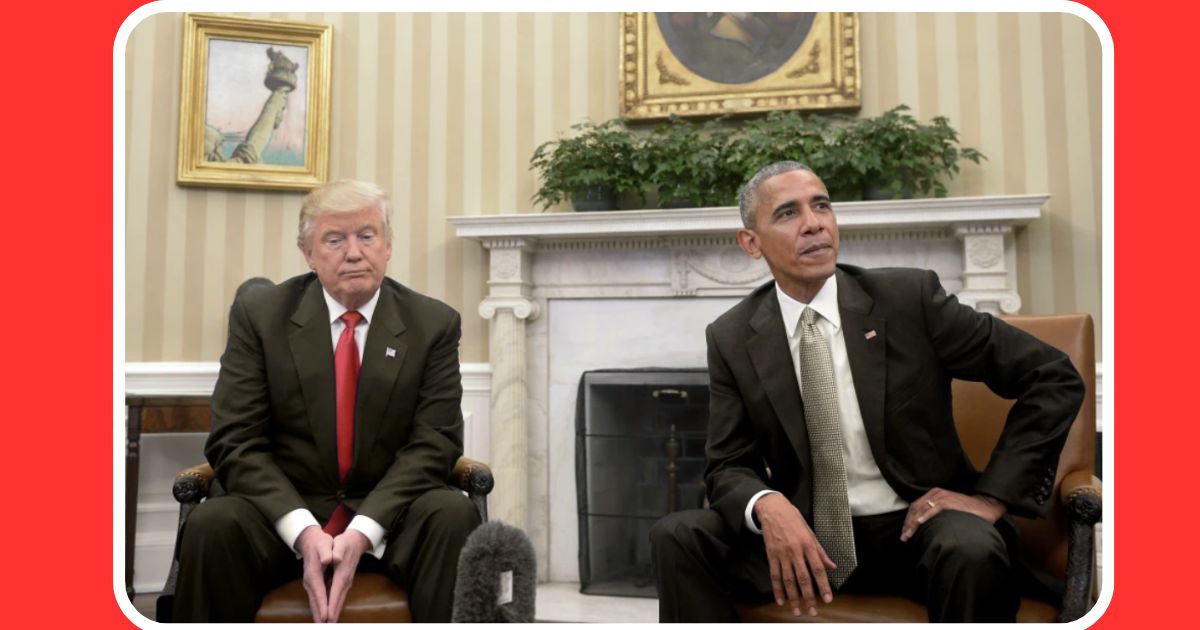
Trump vs. Obama on Iran: Will the New Deal Be Different?
The United States once relied on diplomacy to limit Iran’s nuclear ambitions. Now, after weeks of military confrontation and renewed negotiations, President Donald Trump is seeking an agreement of his own. The question facing Washington—and much of the world—is whether this new effort will produce a stronger result than the 2015 deal negotiated under former President Barack Obama.
The original agreement, formally called the Joint Comprehensive Plan of Action (JCPOA), was designed to temporarily restrict Iran’s nuclear program in exchange for economic relief. Trump withdrew from that pact in 2018. Years later, after tensions escalated into open conflict, the U.S. once again needs a diplomatic solution.
Here’s what happened—and what it could mean moving forward.
1. What Happened
In 2015, the Obama administration joined the United Kingdom, France, Germany, Russia, China, and the European Union to negotiate limits on Iran’s nuclear program. The JCPOA required Iran to cap uranium enrichment, reduce its stockpile of nuclear material, and allow inspections by the International Atomic Energy Agency (IAEA). In return, economic sanctions were lifted, allowing Iran to reenter global oil markets.
The deal faced strong criticism at home. Israeli Prime Minister Benjamin Netanyahu publicly opposed it, even addressing Congress to argue that it endangered Israel’s security. Trump later called the agreement “one of the worst deals ever made.”
After taking office, Trump withdrew the U.S. from the JCPOA in 2018 and reinstated sanctions. Iran initially remained in compliance but gradually expanded its nuclear activities. Uranium enrichment levels increased, and nuclear facilities were expanded.
Diplomatic efforts continued under both the Biden and Trump administrations. However, earlier this year, talks collapsed. Military conflict followed, with U.S. and Israeli strikes targeting Iranian military and infrastructure sites. While Iran’s conventional capabilities were weakened, its nuclear materials remain inside the country.
Complicating matters further, Iran has tightened its control over the Strait of Hormuz, a narrow waterway critical to global energy trade. This development has given Tehran new leverage at the negotiating table.
Now, fresh negotiations are underway, as Washington seeks to secure a new nuclear agreement that Trump hopes will be tougher than Obama’s.
2. Why It Matters
The stakes are high for several reasons.
First, nuclear proliferation remains a major global concern. Iran is a signatory to the Nuclear Non-Proliferation Treaty (NPT), which permits peaceful nuclear energy but prohibits weapons development. However, high-level uranium enrichment shortens the “breakout time” needed to build a bomb if political leaders choose to do so.
Second, global energy markets are vulnerable. Roughly one-fifth of the world’s oil passes through the Strait of Hormuz. Any disruption can send oil prices soaring, affecting gas prices in the U.S., heating costs in Canada, and supply chains in the UK and Europe.
Third, U.S. credibility is on the line. Allies and adversaries alike are watching to see whether Washington can negotiate a stable agreement after years of shifting policy.
Trump has made clear that he wants a more comprehensive deal—one that permanently ends uranium enrichment and removes Iran’s stockpiles. Whether Iran would accept such demands is uncertain.
3. Who Is Affected
Americans and Canadians: Higher oil prices directly impact fuel costs, airline tickets, shipping fees, and consumer goods. If tensions remain high, inflation could rise again.
European nations: The UK and EU countries are closely tied to Middle East energy flows. Disruption in Hormuz could hit European economies hard, especially during the winter months.
Israel and Gulf states: Regional security remains fragile. Any nuclear escalation could increase the risk of broader conflict.
Global shipping and fertilizer markets: The Strait of Hormuz also handles a significant portion of the world’s natural gas and fertilizer exports. Farmers and food supply chains could feel indirect effects.
Iranian civilians: Sanctions relief—or continued economic isolation—will heavily influence daily life inside Iran.
4. What Happens Next
Negotiations are resuming amid a fragile ceasefire. U.S. officials are reportedly pushing for:
- Full transparency and verification through IAEA inspections
- Limits—or possibly elimination—of uranium enrichment
- Removal or transfer of existing enriched stockpiles
- Guarantees regarding maritime security in the Strait of Hormuz
Iran, meanwhile, is likely to demand:
- Significant sanctions relief
- Access to frozen financial assets
- Recognition of its right to civilian nuclear energy
- Security assurances
A central issue may be maritime access. Iran’s ability to influence traffic through the Strait of Hormuz has become a powerful bargaining tool. Some reports suggest shipping companies have paid steep transit fees to ensure safe passage.
Any long-term agreement will likely need to address both nuclear restrictions and freedom of navigation.
5. Expert and Policy Insight
Arms control experts note that the international environment today is very different from 2015. Trust has eroded. Iran’s nuclear program is more advanced. Regional tensions are higher.
Verification will be critical. Under the JCPOA, inspectors from the IAEA had access to nuclear facilities, which provided transparency. Many analysts argue that any new agreement must restore or expand those inspection rights.
There is also debate over negotiation strategy. Some critics argue that walking away from the JCPOA accelerated Iran’s nuclear progress. Others contend that only maximum pressure can force stronger concessions.
Former military leaders have suggested that reopening secure maritime trade routes should be the immediate priority. Energy stability may be as urgent as nuclear oversight.
Ultimately, success will depend on whether both sides see compromise as more beneficial than continued confrontation.
6. Frequently Asked Questions
1. What was the main goal of the 2015 Iran nuclear deal?
The agreement aimed to limit Iran’s nuclear program and extend the time it would take to build a weapon, in exchange for lifting economic sanctions.
2. Why did Trump withdraw from the deal?
Trump argued that the agreement was too weak, temporary, and did not address missile development or regional activities.
3. Is Iran currently building a nuclear weapon?
Iran maintains that its program is for peaceful energy purposes. However, higher enrichment levels have raised international concern about its potential capabilities.
4. Why is the Strait of Hormuz so important?
It is a narrow shipping route connecting the Persian Gulf to global markets. A large percentage of the world’s oil and natural gas passes through it.
5. Could a new deal lower gas prices?
If it stabilizes oil supply and reduces geopolitical risk, energy markets could calm, potentially lowering fuel prices over time.
Conclusion
The contrast between Obama’s diplomatic approach and Trump’s more confrontational strategy highlights two different visions of U.S. foreign policy. Now, after war and rising global tension, the United States again faces a familiar challenge: negotiating limits on Iran’s nuclear program while protecting economic and security interests.
Whether Trump can secure a deal that is both tougher and more durable than the JCPOA remains uncertain. What is clear is that the outcome will affect not only Washington and Tehran, but consumers, businesses, and governments around the world.

- ఏపీలో స్థానిక ఎన్నికల షెడ్యూల్: మున్సిపల్, ఎంపీటీసీ, పంచాయతీ ఎన్నికలు ఎప్పుడంటే? - అక్టోబర్ 14, 2026
- AP Pension Status by Aadhaar: ఆధార్తో పెన్షన్ స్టేటస్ ఇలా చెక్ చేయండి - అక్టోబర్ 6, 2026
- 5 Lakh Women Entrepreneurs: మహిళలకు సీఎం చంద్రబాబు బంపర్ ప్లాన్.. ‘స్వయం ఏపీ’తో ప్రపంచ మార్కెట్లకు! - అక్టోబర్ 5, 2026


