
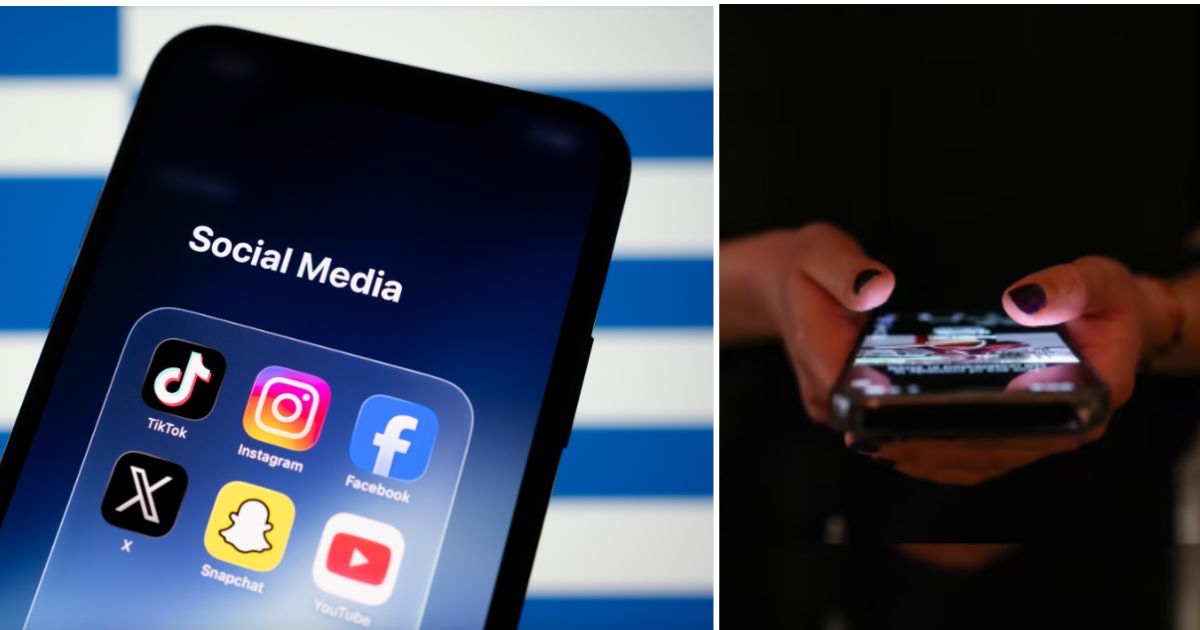
Greece to Ban Social Media for Under-15s Starting Next Year
Greece has announced plans to block children under the age of 15 from accessing social media platforms beginning in January next year. The decision places the country among a growing list of nations tightening rules around children’s online activity amid concerns about mental health, screen addiction, and online safety.
The move reflects a wider international debate unfolding across Europe, North America, and Australia over how far governments should go to regulate social media use among minors.
Below is a closer look at what the policy involves, why it matters, and how it could shape global digital regulation.
1. What Happened
Greek Prime Minister Kyriakos Mitsotakis announced that Greece will introduce a nationwide ban preventing children under 15 from using social media platforms. The law is scheduled to take effect in January 2026.
The government says the decision is aimed at addressing rising reports of anxiety, sleep disruption, and compulsive screen use among young people. Officials argue that many social media platforms are intentionally designed to maximize screen time through algorithms, notifications, and personalized content feeds.
Under the proposal:
Children under 15 would be prohibited from maintaining social media accounts.
Platforms would be required to implement stricter age-verification systems.
The government may push for repeated age checks at regular intervals.
Greece plans to advocate for a broader European Union-wide framework to align policies across member states.
While full enforcement details are still being finalized, the announcement signals a major regulatory shift in how Greece plans to manage minors’ access to digital platforms.
2. Why It Matters
The decision comes amid increasing global concern about how social media affects children and teenagers.
Over the past few years, researchers in the United States, the United Kingdom, and Canada have published studies linking heavy social media use to:
Increased anxiety and depression symptoms
- Sleep deprivation
- Body image issues
- Cyberbullying exposure
- Reduced attention spans
Although experts emphasize that mental health outcomes are complex and influenced by many factors, concerns about algorithm-driven engagement have intensified public debate.
In December, Australia became the first country to require major platforms such as TikTok, YouTube, and Snapchat to remove accounts belonging to users under 16 or face significant fines.
Elsewhere in Europe, countries including France, Austria, and Spain are considering similar restrictions.
In the United Kingdom, lawmakers are evaluating whether a comparable ban for under-16s should be introduced under existing online safety laws. In Canada, policymakers continue reviewing digital harm legislation that could increase accountability for tech companies.
The issue has also reached U.S. courtrooms. In March, Meta and Google were found liable in a high-profile American case involving claims of childhood social media addiction. Both companies have stated they disagree with the ruling and plan to appeal.
The Greek government’s action therefore, fits into a broader trend: governments are becoming more willing to intervene in how young people interact with digital platforms.
3. Who Is Affected
Children and Teenagers
The most immediate impact will be on children under 15 in Greece. Many in this age group actively use platforms like Instagram, TikTok, and Snapchat to communicate with friends, follow influencers, and consume entertainment.
A ban could significantly change how younger teens socialize online. Critics argue that blanket restrictions might push minors toward less regulated or underground platforms, making enforcement more difficult.
Parents
Parents are likely to play a central role in enforcement. Age verification systems often require parental consent or identity confirmation, meaning families will need to adapt to new procedures.
Some parents support stricter rules, citing concerns over bullying, inappropriate content, and excessive screen time. Others worry that restrictions could limit their children’s digital literacy and social development.
Social Media Companies
Technology companies face operational challenges. Effective age verification is complex and raises privacy concerns. Platforms must balance regulatory compliance with protecting user data.
Several companies argue that parental supervision tools, improved content moderation, and educational campaigns may be more effective than outright bans.
European Policymakers
Because Greece is a member of the European Union, its decision could influence broader EU digital policy discussions. The Greek prime minister has already called for a coordinated European framework to prevent regulatory fragmentation.
If the EU moves toward a unified policy, it could affect millions of users across member states.
4. What Happens Next
The Greek government is expected to release detailed enforcement guidelines outlining:
The technical standards for age verification
- Penalties for non-compliant platforms
- Appeals processes
- Privacy safeguards
If Greece successfully implements the ban, it may serve as a model for other European nations.
At the EU level, discussions could center around creating a standardized digital age threshold across member states. This would help companies avoid navigating different rules in each country.
Meanwhile, legal challenges are possible. In Australia, some companies and digital rights advocates have already pushed back against similar measures, arguing that bans may infringe on free expression or create enforcement difficulties.
The outcome of these debates could shape global digital governance for years to come.
5. Expert and Policy Insight
Digital health experts emphasize that social media’s impact is not uniform. Moderate use, especially when guided by parents and educators, can provide educational benefits, creative outlets, and social connections.
However, many psychologists point to “persuasive design” features such as infinite scrolling, algorithmic recommendations, and notification systems that encourage prolonged engagement.
Policy analysts argue that governments face a delicate balance:
- Protecting children’s well-being
- Preserving digital freedom
- Avoiding excessive surveillance
- Encouraging innovation
Some experts recommend combining age limits with digital literacy education, parental controls, and clearer transparency requirements for platforms.
Others caution that bans alone may not address deeper issues such as bullying, harmful content, or mental health support gaps.
FAQ
1. When will Greece’s social media ban take effect?
The ban is scheduled to begin in January 2026, pending final regulatory details.
2. What age group is affected?
Children under 15 years old will be restricted from maintaining social media accounts.
3. How will platforms verify users’ ages?
The government is expected to require stricter age verification systems, though technical details are still being finalized.
4. Are other countries considering similar bans?
Yes. Australia has introduced similar measures, and several European countries are reviewing proposals. The UK and Canada are also evaluating online safety reforms.
5. Can social media companies challenge the law?
Yes. Companies may pursue legal action if they believe the regulation conflicts with existing laws or privacy protections.
The Bigger Picture
Greece’s decision highlights a turning point in how governments view social media’s role in young people’s lives. While digital platforms remain central to modern communication, entertainment, and education, policymakers increasingly question whether children should have unrestricted access.
For readers in the United States, the United Kingdom, and Canada, Greece’s move may offer a preview of future regulatory debates. As lawmakers continue examining the balance between innovation and protection, the conversation around children’s online safety is likely to grow louder.
Whether bans prove effective—or whether alternative approaches emerge—one thing is clear: the era of minimal oversight for youth social media use is ending.

- ఏపీలో స్థానిక ఎన్నికల షెడ్యూల్: మున్సిపల్, ఎంపీటీసీ, పంచాయతీ ఎన్నికలు ఎప్పుడంటే? - అక్టోబర్ 14, 2026
- AP Pension Status by Aadhaar: ఆధార్తో పెన్షన్ స్టేటస్ ఇలా చెక్ చేయండి - అక్టోబర్ 6, 2026
- 5 Lakh Women Entrepreneurs: మహిళలకు సీఎం చంద్రబాబు బంపర్ ప్లాన్.. ‘స్వయం ఏపీ’తో ప్రపంచ మార్కెట్లకు! - అక్టోబర్ 5, 2026


