
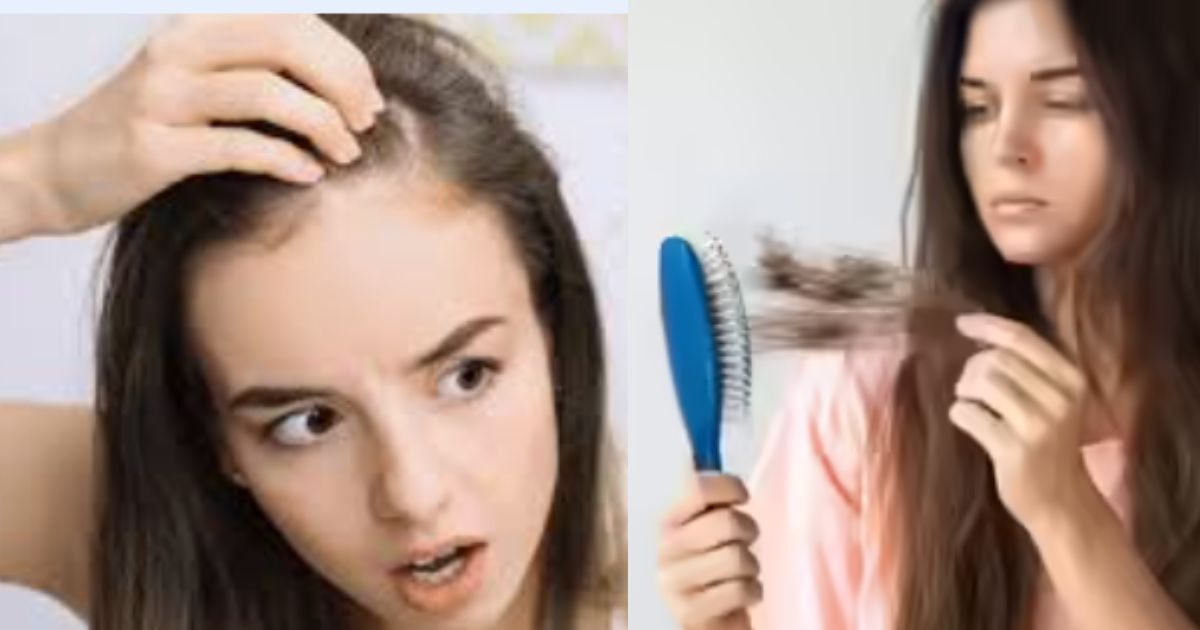
Hair Loss in Women: Hidden Diseases Behind Excessive Hair Fall
Hair Loss in Women Causes: Hair loss is a common concern among women today. Many people believe it happens only because of aging, but doctors say that excessive hair fall can sometimes signal underlying health problems.
Normally, losing 50 to 100 strands of hair per day is considered natural. New hair usually grows to replace the lost strands. However, when hair starts falling excessively—especially in clumps while combing or washing—it may indicate a deeper health issue that needs attention.
Ignoring continuous hair fall may delay treatment for certain medical conditions. Understanding the possible causes and warning signs can help women take timely action.
When Hair Loss Becomes a Concern
Occasional hair shedding is normal. But if you notice any of the following symptoms, it may require medical attention:
- Sudden increase in hair fall
- Noticeable thinning of hair
- Weak hair roots
- Reduced hair density on the scalp
Hair falling out in large amounts during brushing or showering
If these symptoms continue for several weeks, experts recommend consulting a doctor.
Health Problems That Can Cause Hair Loss in Women
Dermatologists say that excessive hair fall is often linked to certain health conditions. Some of the most common causes include:
1. Thyroid Disorders
Thyroid problems can disturb hormone levels in the body. This hormonal imbalance weakens hair roots and leads to rapid hair fall.
2. Iron Deficiency or Anemia
Low iron levels reduce the oxygen supply to hair follicles. This weakens the hair structure and can cause significant hair loss.
3. PCOS (Polycystic Ovary Syndrome)
Hormonal disorders like PCOS can trigger hair thinning, especially around the scalp and crown area.
4. Chronic Stress
High stress levels affect hormone balance in the body. This condition can push hair follicles into a resting phase, leading to increased shedding.
5. Nutritional Deficiencies
Lack of protein, vitamins, and essential nutrients can weaken hair roots and slow hair growth.
Who Is at Higher Risk of Hair Loss?
Some women are more likely to experience severe hair loss. The risk increases in the following situations:
- Women with hormonal imbalances
- Those suffering from iron or protein deficiency
- People experiencing prolonged stress
- Women with a family history of hair loss
- Frequent use of chemical hair products
Hair styling habits can also play a role. Tight hairstyles, excessive heat styling, and harsh chemical treatments can damage hair follicles over time.
How to Prevent Excessive Hair Loss
Preventing hair fall often requires simple lifestyle changes. Experts recommend the following habits:
- Eat a balanced diet rich in iron, protein, and vitamins
- Maintain proper hair hygiene and scalp care
- Avoid excessive chemical-based hair products
- Reduce stress through exercise or meditation
- Get adequate sleep every day
- Avoid tight hairstyles and frequent heat styling
If hair fall continues for a long period despite these measures, it is advisable to consult a dermatologist or healthcare professional.
Frequently Asked Questions (FAQ)
Is losing hair every day normal?
Yes. Losing around 50–100 strands per day is considered normal as new hair grows to replace them.
Can thyroid problems cause hair loss?
Yes. Thyroid disorders can cause hormonal imbalance, which may lead to excessive hair fall.
Does anemia lead to hair thinning?
Iron deficiency anemia reduces oxygen supply to hair follicles, which can result in hair loss and thinning.
Can stress cause hair fall?
Yes. Chronic stress affects hormones and may trigger a condition called telogen effluvium, leading to noticeable hair shedding.
When should I see a doctor for hair loss?
You should consult a doctor if hair fall is severe, continues for several weeks, or is accompanied by thinning hair and scalp visibility.
Conclusion
Hair loss in women is often dismissed as a routine problem, but persistent or excessive hair fall can be a warning sign of underlying health issues. Conditions such as thyroid disorders, anemia, PCOS, stress, and nutritional deficiencies may all contribute to hair thinning.
Recognizing the symptoms early and adopting a healthy lifestyle can help control hair fall. If the problem continues, seeking medical advice is the best way to identify the root cause and receive proper treatment.

- Bigg Boss Telugu 10 Episode 7: త్రిగుణ్కు నాగార్జున క్లాస్.. వీకెండ్లో అసలు ట్విస్ట్ ఇదే! - సెప్టెంబర్ 12, 2026
- Bigg Boss Telugu 10 Voting: ఓటింగ్లో కామనర్ రోహిత్ దూకుడు.. ఆ ఇద్దరికీ ఎలిమినేషన్ టెన్షన్ - సెప్టెంబర్ 10, 2026
- Bigg Boss Telugu 10: 8 ఏళ్లకే తల్లిని కోల్పోయిన షాలినీ.. కన్నీళ్ల వెనుక ఇంత విషాదమా? - సెప్టెంబర్ 10, 2026

