
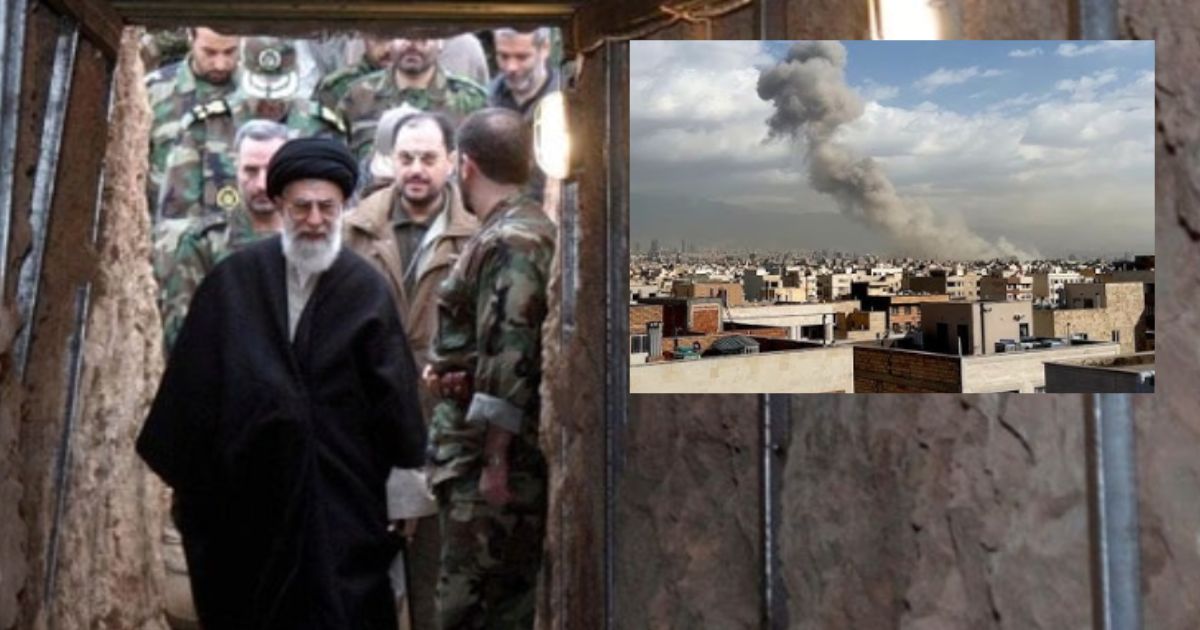
Khamenei Assassination: What Happened Behind the Scenes?
The reported assassination of Ayatollah Ali Khamenei, Iran’s Supreme Leader, in a joint US-Israeli strike has triggered global shockwaves. While the attack appeared sudden, intelligence sources suggest it was the result of years of planning, cyber infiltration, and high-level coordination between Israel and the United States.
Here’s a detailed breakdown of the events, strategies, and intelligence moves that reportedly led to one of the most dramatic operations in Middle East history.
1. “We Took Out Their Eyes First” – Israel’s Strategic Opening
During last year’s 12-day conflict, Israeli forces reportedly neutralized multiple Iranian radar systems and air defenses before executing targeted eliminations.
Key tactics included:
- Cyberattacks are disabling missile tracking systems
- Drone strikes on strategic installations
- Use of long-range precision missiles like the “Sparrow.”
- Targeting nuclear scientists and military commanders
- An intelligence officer described the approach bluntly: “We took out their eyes first.”
- By crippling surveillance and radar networks, Israel ensured minimal resistance during the final strike.
2. Khamenei’s Security Strategy – And the Missed Opportunity
Like Hezbollah leader Hassan Nasrallah, Khamenei reportedly avoided hiding permanently in underground bunkers. Though he had two highly secure bunkers designed to withstand heavy bombing, he was not inside them at the time of the attack.
Intelligence reports suggest:
- He anticipated assassination attempts
- He considered martyrdom a heroic outcome
- His absence from fortified bunkers created a narrow operational window
- That window became the decisive moment.
3. Trump’s Role and the Path to Operation Approval
Despite ongoing nuclear negotiations, US President Donald Trump reportedly authorized the strike while traveling aboard Air Force One.
Details include:
- Authorization time: 3:38 PM (Friday)
- US operation codename: “Operation Epic Fury”
- Israeli codename: “Operation Roaring Lion.”
- Around 30 precision-guided bombs were deployed
- Morning timing chosen for maximum surprise
Sources say once full-scale war began, Iranian leaders would have retreated into bunkers — making such an operation impossible later.
4. Double Verification: How Khamenei Was Identified
Israel reportedly used advanced AI-powered facial recognition and traffic camera systems to confirm Khamenei’s location.
The process included:
- Monitoring Tehran’s CCTV networks
- Mobile network interception
- “Double verification” rule requiring two senior confirmations
- Assistance from Israel’s cyber intelligence wing, Unit 8200
- Alleged human intelligence input linked to the Central Intelligence Agency
- This multi-layer confirmation reduced the risk of misidentification.
5. The Long Game: Two Turning Points
Former Mossad officials trace the roots of this operation back decades.
Turning Point 1 (2001)
Israeli Prime Minister Ariel Sharon reportedly instructed Mossad chief Meir Dagan to prioritize Iran above all other missions.
Turning Point 2 (October 7, 2023)
After Hamas attacks on Israel, Israeli strategy shifted dramatically. The longstanding informal rule against targeting foreign heads of state during wartime was reconsidered.
This strategic shift paved the way for unprecedented decisions.
6. Iran’s Counter Moves and Intelligence Battles
- Iran has also engaged in aggressive cyber intelligence operations:
- Allegedly hacked phone data linked to Mossad leadership
- Breached surveillance systems in Jerusalem
- Estimated war damage through camera feeds
- Meanwhile, Israel carried out operations, including the killing of Hamas leader Ismail Haniyeh in Tehran.
- The intelligence rivalry intensified year after year.
Political Impact: What Changes Now?
Eliminating a sitting Supreme Leader is not just a military event — it reshapes regional geopolitics.
Potential consequences:
- Escalation of the Iran-Israel direct conflict
- Power vacuum within Iran
- Increased US involvement in Middle East affairs
- Global oil market instability
- Realignment of regional alliances
History shows that assassinations of powerful leaders can either destabilize regimes or strengthen nationalist sentiment.
FAQs
1. Was Khamenei really assassinated in a US-Israel strike?
Reports claim a coordinated operation, but official confirmations from all sides remain limited and highly sensitive.
2. What was Operation Roaring Lion?
It was reportedly Israel’s codename for the strike targeting Khamenei’s compound.
3. How was Khamenei identified?
Through AI-based facial recognition, hacked CCTV systems, and intelligence cross-verification.
4. Did the CIA assist Israel?
Sources suggest intelligence cooperation involving the CIA, but official details remain classified.
5. What happens next in Iran?
Possible leadership transition, internal power struggle, and heightened regional tensions.
Conclusion
The reported assassination of Ayatollah Ali Khamenei marks a defining moment in modern Middle Eastern politics. If confirmed, it represents the culmination of decades of intelligence strategy, cyber warfare evolution, and geopolitical rivalry.
Whether this operation stabilizes or destabilizes the region remains to be seen. One thing is certain — the balance of power in the Middle East may never be the same again.
For more breaking geopolitical updates and deep-dive analysis, stay tuned.

- ఆంధ్రప్రదేశ్ నిరుద్యోగులకు గుడ్ న్యూస్.. గ్రూప్-2 సహా 1,466 ఉద్యోగాలు - అక్టోబర్ 15, 2026
- ఏపీలో స్థానిక ఎన్నికల షెడ్యూల్: మున్సిపల్, ఎంపీటీసీ, పంచాయతీ ఎన్నికలు ఎప్పుడంటే? - అక్టోబర్ 14, 2026
- AP Pension Status by Aadhaar: ఆధార్తో పెన్షన్ స్టేటస్ ఇలా చెక్ చేయండి - అక్టోబర్ 6, 2026


