
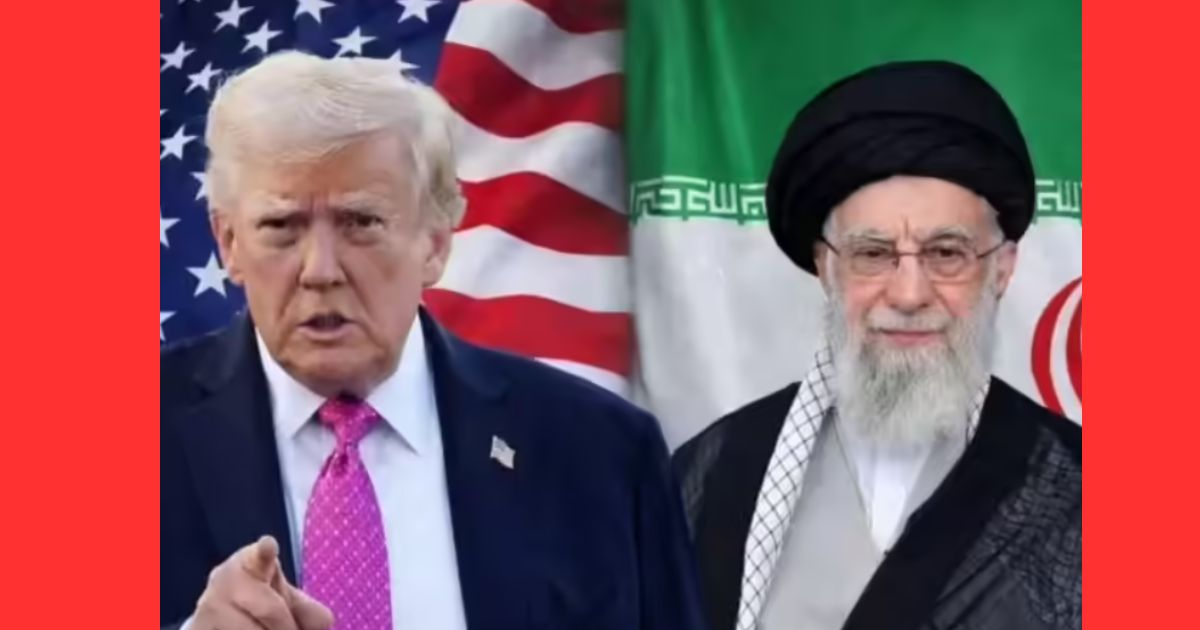
Trump Warns Iran: Fierce US Strikes, 555 Dead in 3 Days War
The conflict between the United States, Israel, and Iran has intensified dramatically, entering its third consecutive day of heavy exchanges. As tensions rise across West Asia, US President Donald Trump issued a stern warning, signaling that more aggressive military action could follow.
Trump cautioned Iran that the United States would carry out even fiercer attacks. He also advised Iranian citizens to remain indoors if they wish to stay safe amid the ongoing airstrikes and missile exchanges.
US Defense Secretary: “We Didn’t Start This War”
US Defense Secretary Pete Hegseth stated that the United States did not initiate the conflict but intends to bring it to a decisive end. He emphasized that repeated warnings to Iran had gone unheeded and asserted that American and Israeli forces would not back down.
Hegseth clarified that the objective is not regime change but ensuring security and preventing further escalation. He also expressed confidence that the war would conclude faster than past prolonged conflicts such as Iraq.
Hezbollah and Houthis Join the Conflict
The war has expanded beyond Iran and Israel. Iran-backed groups have entered the battlefield:
Hezbollah launched rockets and drones from Lebanon toward Israel.
Houthi movement carried out attacks targeting US and Israeli interests.
Israel responded with heavy airstrikes on southern Beirut and other areas of southern Lebanon. At least 31 casualties were reported. Israel has also mobilized over 100,000 reserve troops, signaling preparation for a prolonged conflict.
Heavy Casualties Reported in Iran
According to reports, 555 people have been killed in Israeli-American attacks across 131 cities in Iran since Saturday.
Iran’s Supreme Leader Ayatollah Ali Khamenei was reportedly killed in one of the strikes, marking a major turning point in the conflict. Tehran has since hardened its stance.
Senior Iranian official Ali Larijani stated that Iran will not enter negotiations with the United States despite signals from Washington suggesting openness to talks.
Oil Markets Shaken: Strait of Hormuz Under Threat
The conflict is now affecting global energy supplies. Iranian drones reportedly struck Saudi Arabia’s Ras Tanura oil refinery, temporarily halting operations at one of the world’s largest oil processing facilities.
Concerns are mounting around the Strait of Hormuz, a crucial global oil transit route. Any disruption in this narrow passage could significantly impact international crude oil prices and global energy markets.
Nuclear Facilities Raise Global Alarm
The head of the International Atomic Energy Agency, Rafael Grossi, stated that there is currently no confirmed damage to Iran’s nuclear facilities. However, he warned that active reactors in the region pose a serious radiation risk if struck.
The possibility of nuclear contamination has heightened international concern as the conflict continues to escalate.
FAQs
1. Why did Trump warn Iran citizens not to come out?
Trump warned that further US strikes could intensify, making civilian areas potentially unsafe during ongoing military operations.
2. How many people have died in the Iran-US-Israel conflict?
Reports indicate that 555 people have been killed across multiple Iranian cities since the strikes began.
3. Are Hezbollah and Houthis involved in the war?
Yes. Hezbollah has launched rockets from Lebanon, while Houthi forces have targeted US and Israeli assets in support of Iran.
4. How is the war affecting global oil prices?
Attacks near the Strait of Hormuz and the Ras Tanura refinery have raised fears of oil supply disruptions, pushing energy markets into uncertainty.
5. Are Iran’s nuclear facilities damaged?
According to the IAEA chief, there is no confirmed damage yet, but nuclear reactors in the region pose potential radiation risks if targeted.
Conclusion
The Iran–US–Israel conflict has rapidly expanded into a wider regional confrontation involving multiple militant groups and threatening global oil stability. With strong warnings from President Trump and mounting casualties, the situation remains volatile. The involvement of key global energy routes and nuclear facilities has elevated international concern.
As diplomatic channels appear stalled and military actions intensify, the coming days will be critical in determining whether this conflict escalates further or moves toward a negotiated resolution.

- ఏపీలో స్థానిక ఎన్నికల షెడ్యూల్: మున్సిపల్, ఎంపీటీసీ, పంచాయతీ ఎన్నికలు ఎప్పుడంటే? - అక్టోబర్ 14, 2026
- AP Pension Status by Aadhaar: ఆధార్తో పెన్షన్ స్టేటస్ ఇలా చెక్ చేయండి - అక్టోబర్ 6, 2026
- 5 Lakh Women Entrepreneurs: మహిళలకు సీఎం చంద్రబాబు బంపర్ ప్లాన్.. ‘స్వయం ఏపీ’తో ప్రపంచ మార్కెట్లకు! - అక్టోబర్ 5, 2026


