
Medaram Mahajatara: The Sacred Power of Sammakka at Chilakalagutta
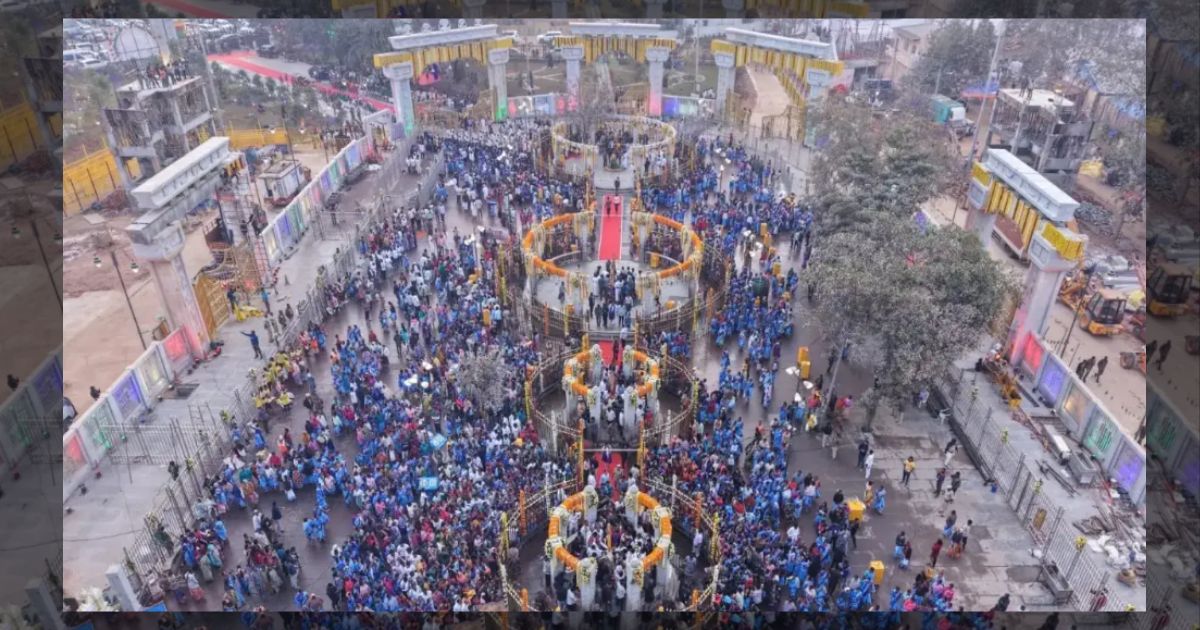
The world-famous Medaram Mahajatara, one of Asia’s largest tribal festivals, reaches its spiritual peak with the arrival of Sammakka Thalli at the sacred gaddhe. While lakhs of devotees gather for darshan, few truly understand the deep spiritual and historical importance of Chilakalagutta, where Sammakka’s divine power is believed to reside.
The Beginning of the Sacred Jatara
The Medaram Jatara formally begins with the arrival of Saralamma, Govinda Raju, and Pagididda Raju at the gaddhes. However, the heart of the festival unfolds only when Sammakka Thalli arrives. Once Sammakka and Saralamma are seated, the gaddhes transform into a sea of devotion, emotion, and spiritual energy.
Why Chilakalagutta Is So Sacred
According to tribal lore, Sammakka Thalli fought bravely against the Kakatiya rulers. Though injured during battle, she continued to resist before finally disappearing into the forests near Chilakalagutta, located in the northeast of Medaram.
Later, tribes searching for her found a kumkuma bharani (saffron-filled pot) beneath a sacred tree. The tribes believed this to be the embodiment of Sammakka’s power. It is said that a divine voice declared that if a festival was conducted every two years, the wishes of devotees would be fulfilled. Since then, the Sammakka–Saralamma Jatara has been celebrated on Magha Shuddha Pournami.
Sammakka’s Form: Temple vs Chilakalagutta
In the Medaram temple, Sammakka Thalli is worshipped symbolically as a pot. However, tribal priests and devotees firmly believe that her true divine power resides on Chilakalagutta. Because of this belief, no one is allowed to climb the hill, except the chief tribal priest during the Jatara rituals.
Sacred Rituals Before the Fair
Two important rituals precede the main Jatara:
Gudi Melige (Two Weeks Before)
Tribal priests perform special pujas at Medaram and initiate the awakening of Sammakka’s power at Chilakalagutta.
Mande Melige (One Week Before)
Secret rituals are conducted on the hill, known only to the chief priest, following ancestral traditions.
Bringing Sammakka Thalli from Chilakalagutta
On the second day of the Jatara, Sammakka Thalli is brought down from Chilakalagutta in the form of a saffron-coloured cloth. Interestingly, even the chief priest claims he does not know the exact resting place of Sammakka on the hill, stating that the rituals are performed strictly as per divine instructions.
As Sammakka descends, the district SP fires ceremonial shots in the air, marking respect and reverence. This moment creates an overwhelming emotional atmosphere among devotees.
Devotees’ Faith and Divine Experience
Devotees believe the priest carrying Sammakka’s sacred form embodies the goddess herself. Many lie on the path, allowing the priest to walk over them, considering it a powerful blessing. Others attempt to touch him, overwhelmed by devotion and belief in Sammakka’s divine presence.
The Return to Chilakalagutta
On the fourth day, Sammakka Thalli is ceremonially returned to Chilakalagutta. The chief priest promises to awaken her again after two years, symbolizing the continuation of this ancient tradition.
Sacred Water Source and Environmental Concerns
Near Jampannavagu, close to Chilakalagutta, lies a sacred water source revered by devotees. Unfortunately, increasing footfall led to pollution due to plastic waste. Responding to local appeals, the Telangana government fenced off the area to protect its sanctity.
Conclusion
The Medaram Mahajatara is not just a festival—it is a living symbol of tribal faith, sacrifice, and divine power. Chilakalagutta stands as the spiritual epicenter of this sacred tradition, embodying the unseen yet deeply felt presence of Sammakka Thalli. Preserving its sanctity is essential to keep this centuries-old legacy alive for future generations.

- India Post GDS 2026 Recruitment: టెన్త్తో 23,757 ఉద్యోగాలు.. అప్లై చేశారా? - సెప్టెంబర్ 13, 2026
- Bigg Boss Telugu 10 Episode 7: త్రిగుణ్కు నాగార్జున క్లాస్.. వీకెండ్లో అసలు ట్విస్ట్ ఇదే! - సెప్టెంబర్ 12, 2026
- Bigg Boss Telugu 10 Voting: ఓటింగ్లో కామనర్ రోహిత్ దూకుడు.. ఆ ఇద్దరికీ ఎలిమినేషన్ టెన్షన్ - సెప్టెంబర్ 10, 2026


